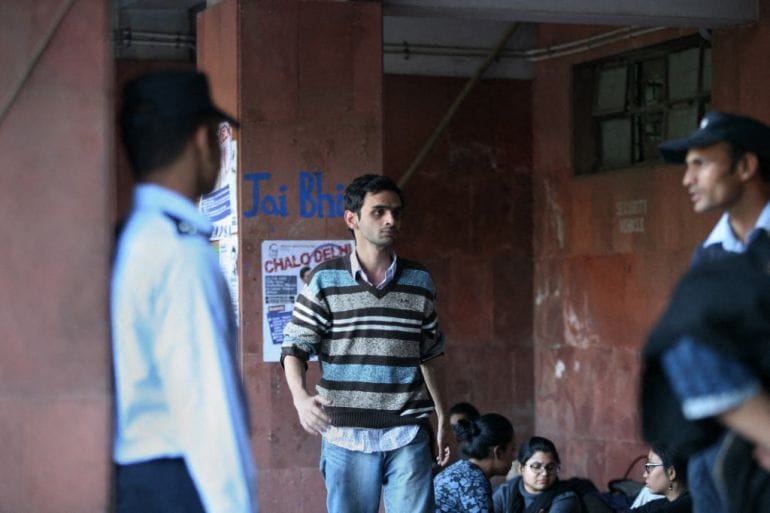
Supreme Court Denies Release of Umar Khalid and Sharjeel Imam Amid Controversy
New Decision by India's Supreme Court
Yesterday, the Supreme Court of India granted bail to five Muslim students and activists who had spent more than five years in prison related to the 2020 religious riots in New Delhi. However, the court denied the release request for two prominent researchers, Umar Khalid and Sharjeel Imam, who will remain at Tihar high-security prison while awaiting their trial.
Protests and Controversy
These detentions have triggered a wave of reactions from human rights activists, seen as a form of institutional persecution against Muslims under the leadership of Prime Minister Narendra Modi's Hindu nationalist government. The riots were sparked by the Citizenship Amendment Act of 2019, which, according to opponents, discriminates against Muslims.
Legal Framework and Accusations
Umar Khalid, a former researcher at Jawaharlal Nehru University, and Sharjeel Imam, a doctoral candidate in history, face serious charges from authorities who express skepticism about a fair trial. Many political observers believe this case serves as a litmus test for the Indian judiciary system, given the political influence over the court's decisions.
Threats to Protest Activities
Following the Delhi riots, there has been an increase in surveillance and reprisals against students and activists challenging government decisions. The current situation suggests that expressing dissent has become increasingly dangerous in modern India, with legal measures being used as tools for controlling civil society.
Hundreds of criminal charges have been filed, and activists are facing a daunting reality marked by abuses and constant threats.