Humanitarian Aid Faces Pressure Amid Winter Conditions in Gaza
Humanitarian Aid Faces Pressure Amid Winter Conditions in Gaza
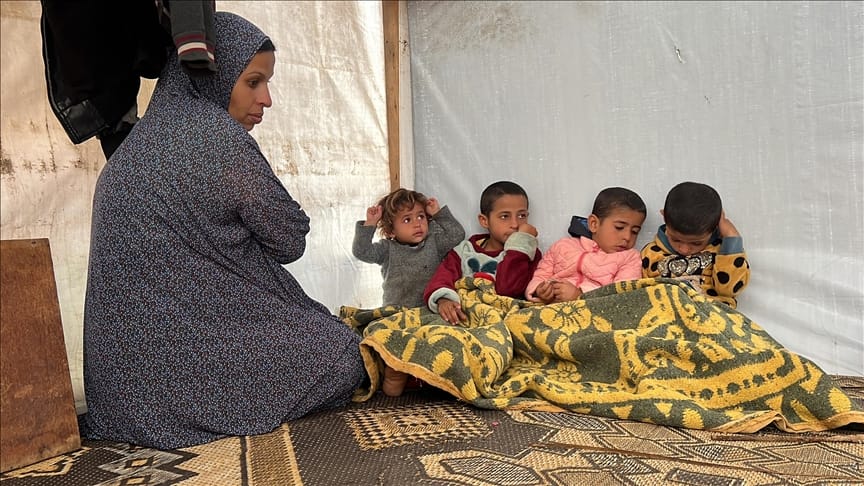
Humanitarian partners in Gaza are struggling to reach hundreds of thousands of vulnerable individuals as winter storms affect destroyed homes and temporary shelters. Since the fragile ceasefire began in October, which was the initial phase of the U.S.-led peace plan, thousands of tents and hundreds of thousands of tarpaulins have been distributed.
However, partners estimate that over one million people—approximately half of Gaza's population—urgently need shelter assistance. "The needs remain immense, and harsh weather conditions are only deepening the suffering of families living in tents or war-damaged buildings," stated the UN Office for the Coordination of Humanitarian Affairs on Friday.
Water, sanitation, and hygiene services are also under pressure. Storms have already damaged the already destroyed infrastructure, while a lack of fuel and limited access to landfills have resulted in waste accumulation. UNICEF-supported teams continue to remove about 1,000 tons of solid waste each month, helping protect children and families from health risks.
In the West Bank, the demolition of 25 buildings in the Nur Shams refugee camp has displaced approximately 70 families. The UN agency for Palestinian refugees, UNRWA, continues to support those forced to flee from Jenin, Tulkarm, and Nur Shams by covering rent costs for three months during the cold winter.
Humanitarian agencies continue to advocate for safe access and the entry of specialized equipment necessary for maintaining essential services, underscoring the critical role of UN partners and NGOs in providing life-saving assistance in the occupied Palestinian territory.
Recent restrictions imposed by Israel on international non-governmental organizations (NGOs) risk further hindering humanitarian operations in Gaza, where needs are acute, warns UNRWA chief Philippe Lazzarini. These measures could reduce crucial support for civilians already in distress. Lazzarini emphasized that "people in Gaza need more help, not less, just to survive."
Humanitarian agencies have repeatedly warned that access constraints, insecurity, and bureaucratic hurdles are preventing aid from reaching those in need across the region. They assert that any additional restrictions could have immediate and potentially fatal consequences for civilians relying on humanitarian assistance.