South Carolina Sees Measles Cases Rise to 185 Amid Vaccination Concerns
Measles Outbreak in South Carolina
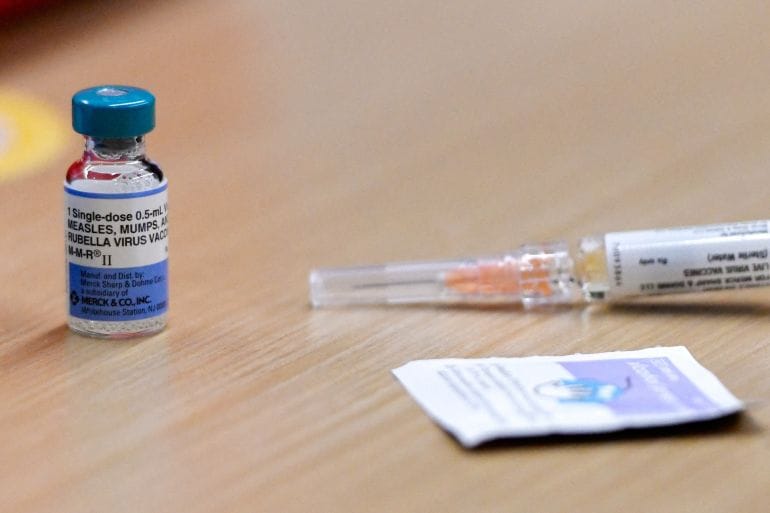
U.S. officials have reported a surge in measles cases in South Carolina, bringing the total to 185—a nine-case increase from last week. In the latest update released on Friday, state officials noted that 172 of the cases were reported among patients who had not received the MMR vaccine (measles, mumps, and rubella), which is aimed at preventing the infection.
Four cases involved patients who were partially vaccinated, four had unknown vaccination status, while another four cases remain under investigation. Only one case occurred in a fully vaccinated individual.
Measles, a highly contagious and sometimes deadly virus, was declared eliminated in the U.S. more than 25 years ago. However, challenges have significantly increased in maintaining this status over the past year. Diseases are considered eliminated when there is no local transmission in a particular region, although cases can still be "imported" from abroad.
The U.S. elimination status is largely attributed to the success of the MMR vaccine. The first measles vaccine was approved in the U.S. in 1963, and the combined MMR vaccine was released in 1971. Two doses are generally recommended to ensure full vaccination status.
The prevalence of vaccine hesitancy has been cited as a contributor to the virus's spread in the U.S., both historically and currently. Although the mortality rate for measles is relatively low, the infection rate is very high. The CDC estimates that if a person has the virus, they could infect nine out of ten people around them.
The World Health Organization states that for every 1,000 reported cases, there are approximately two to three fatalities. Children are especially vulnerable, with complications that can include high fever, loss of hearing or vision, and encephalitis, an inflammation of the brain.
Medical experts typically recommend vaccinating children at a young age, with the first dose administered before 15 months and the second dose by age six. The vaccine is generally considered safe. However, skepticism about vaccines has risen in the U.S., with critics partially blaming policies implemented during former President Donald Trump's administration.
According to CDC data, the MMR vaccination rate in the U.S. was 95.2% among kindergarteners during the 2019-2020 school year. However, this percentage dropped to 92.7% in the 2023-2024 school year, representing a difference of 280,000 children. The year 2025 marked a peak in measles resurgence, with 2,065 cases reported—the highest since 1991 and over seven times more than the 285 cases reported in 2024.
One of the largest outbreaks occurred in Texas, where three individuals died due to the virus. Following the deaths, Trump-era health secretary Robert F. Kennedy Jr. encouraged vaccination, stating on social media: "The most effective way to prevent the spread of measles is the MMR vaccine."
In South Carolina, the current outbreak is concentrated in the northwestern part of the state. The South Carolina Department of Public Health reports that most reported cases occur among children under 17.
Democratic candidate for the 2026 midterm elections, pediatrician Annie Andrews, has made combating this outbreak a central part of her campaign, hoping to unseat incumbent Republican Senator Lindsey Graham in the November vote.