Africa Faces Political Turmoil: Coups, Elections, and Protests
A Challenging Year for Democracy in Africa
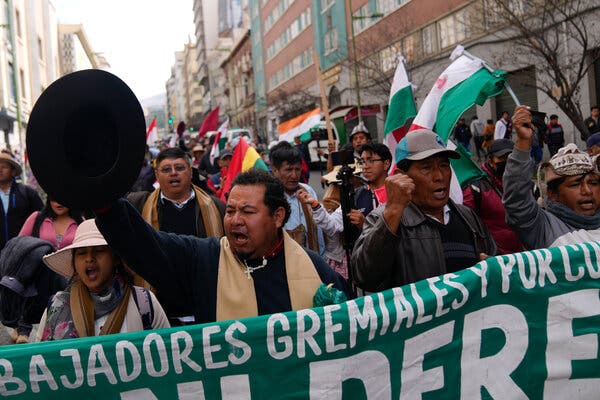
The deadly violence that followed the elections in Tanzania has shocked many. The shocking events in October highlighted the tensions that characterized a challenging year for African politics. Protesters were shot by police while demonstrating against what they regarded as a rigged election—condemned by regional and continental bodies—tainting the country's reputation for peace and stability. With opposition candidates either imprisoned or barred from running, President Samia Suluhu Hassan was elected with 98% of the votes. Any progress toward a more open democracy in Tanzania appeared to have been reversed. This underscored a broader rift between citizens and their leaders in many African nations. Namerous countries witnessed protests and electoral disputes in 2025, while military leaders consolidated their power in others, and analysts believe that the coming year could bring even more turbulence.
"If we look at the big picture across the continent, the trend is concerning," states Mo Ibrahim, whose foundation analyzes data to assess the state of governance in Africa. Their recent report suggests that progress has stagnated compared to the previous decade in governance metrics, which include aspects such as security, participation in decision-making, and the state of health and education. "The increase in coups in recent years, the return of military governments, and the closing of democratic space all point to the same issue: a failure of governance." The rising cost of living has ignited discontent in many regions. This phenomenon is not unique to the continent, but as Ibrahim points out, "the risk for Africa is that these negative patterns may spread uncontrollably, and much of the progress made in recent decades could be reversed."
For those who believe democracy is the best way to channel the demands of the populace, there have been some positive moments in 2025, with peaceful transfers of power and fair elections. In Malawi, former leader Peter Mutharika won the presidency again after a period in opposition. Seychelles saw the return of the old ruling party, the Seychelles People’s United Party, to power after five years in opposition.
However, analysts emphasize that at a continental level, democracy is under threat, particularly due to the consolidation of power by military governments in the Sahel region of West Africa. Mali, Niger, and Burkina Faso have seceded from the regional bloc ECOWAS, forming a new alliance of governments that came to power through coups. The 92-year-old President of Cameroon, Paul Biya, has been confirmed for an eighth term, which could keep him in power until nearly the age of 100, despite clashes with the youth demanding greater participation.
In summary, while some nations have made progress, others are engulfed in military dictatorships and social pressures, raising questions about the future of democracy in Africa.