Bondi Beach Horror: "Festival of Light" Plunged into Darkness as Gunmen Turn Holiday Celebration into a Massacre
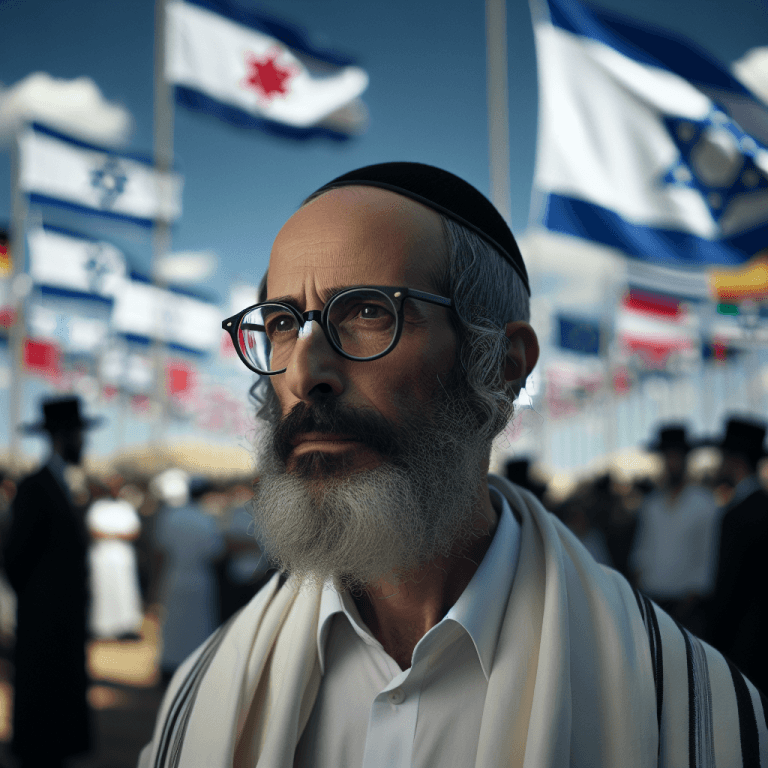
SYDNEY — It was meant to be a night symbolizing resilience, hope, and "joy and light." As the sun began to set on a scorching summer afternoon, the golden sands of Sydney’s iconic Bondi Beach were packed with thousands of swimmers, surfers, and sunbathers soaking in the final hours of the day. Adjacent to the surf, in a grassy park, a large crowd of Jewish families had gathered to celebrate the first night of Hanukkah, the Festival of Lights.
The event kicked off at 17:00 local time with a jubilant atmosphere. Children were laughing, traditional free donuts were being doled out, and festive music filled the air. However, the celebration was shattered less than two hours later when the upbeat music was abruptly drowned out by the distinct, terrifying crack of gunfire and the screams of fleeing attendees.
The initial call to police was logged at 18:47. In the chaotic minutes that followed, what began as a community gathering devolved into a bloodbath. Authorities have confirmed that two gunmen, armed with sporting shotguns, killed at least 15 people and injured dozens more, transforming Australia’s most famous beach into a crime scene of unprecedented scale.
"Pandemonium and Chaos"
Witnesses described a scene of absolute terror. Chavi, a local high school teacher who was attending the Hanukkah event, told the BBC of the moment realization hit. "Bullets were flying above us," she said, describing how she instinctively dropped to the ground, using her own body to shield her baby.
Another attendee, Barry, described the situation as "pandemonium and chaos." He recounted watching a throng of people—families, elderly residents, and tourists—desperately trying to escape a scene that had "suddenly devolved into a nightmare."
Harrowing video footage verified by the BBC captures the dissonance of the tragedy. In one clip, the cheerful Hanukkah music continues to play eerily in the background. The camera pans across the grass, revealing prostrate bodies lying completely still while survivors crouch in fear. Other footage shows terrified beachgoers sprinting across the sand, away from the park, as the air fills with the cacophony of sirens, car horns, and screams. In the desperation to flee, vehicles crashed into one another, adding to the confusion.
The Timeline of the Attack
A nearly 11-minute video has provided investigators with a clear timeline of the assault. The footage shows two men—identified by police as 50-year-old Sajid Akram and his 24-year-old son, Naveed Akram—crossing Campbell Parade. They moved from the cafe-lined street onto a pedestrian bridge overlooking the park.
From this elevated vantage point, the pair allegedly launched their attack. Experts analyzing the footage identified the weapons as sporting shotguns. The younger man, believed to be Naveed, remained on the bridge, while his father, Sajid, descended toward the park on foot. The video captures the chilling rhythm of the assault, with shots echoing at one-second intervals.
A Hero Emerges
amidst the slaughter, a moment of extraordinary bravery likely prevented a higher death toll. As Sajid Akram moved away from the bridge, firing at civilians, a passerby identified as Ahmed al Ahmed, who was crouching behind parked cars, saw an opening.
Ahmed, who had already been shot twice during the chaos, lunged at the gunman. In a struggle lasting only seconds, he managed to wrest the firearm from Sajid’s grip. The gunman stumbled away, and Ahmed turned the weapon on him before realizing police were approaching. In a distinct act of discipline, Ahmed laid the weapon against a tree and raised his hands to signal he was not the aggressor.
New South Wales Premier Chris Minns has since hailed Ahmed as a hero, crediting his actions with saving "countless lives."
However, the terror was not over. Less than a minute after being disarmed, Sajid Akram returned to the bridge, retrieved another weapon, and resumed firing. The siege only ended approximately two minutes later when police engaged the suspects. Both men were struck by police fire. Sajid Akram was pronounced dead at the scene, while Naveed was taken to the hospital in critical condition.
The Investigation Turns to Western Sydney
Police have focused their investigation on the gunmen's movements leading up to the attack. The men resided in Bonnyrigg, a suburb in Sydney’s west, but had rented a short-term property in Campsie days prior to the shooting.
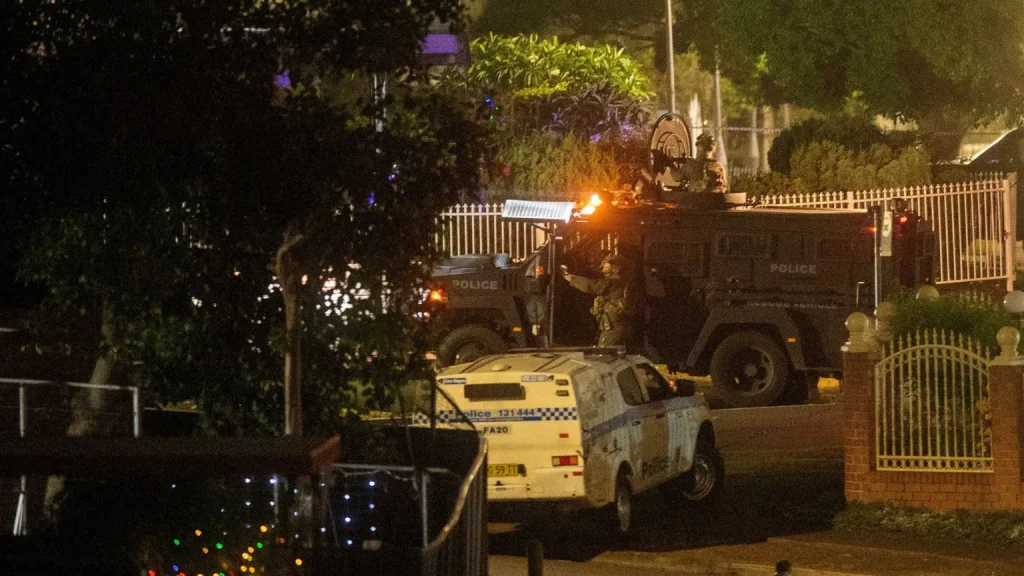
On Sunday night, heavily armed tactical officers raided the family home in Bonnyrigg. Footage showed three individuals exiting with their hands raised; they were arrested but later released without charge.
While the motive is still being pieced together, authorities confirmed that Naveed Akram had previously been examined for ties to a Sydney-based Islamic State (IS) cell in 2019. Despite this, Prime Minister Anthony Albanese stated that assessments at the time indicated "no indication of any ongoing threat."
As the shockwaves of the massacre spread, the quiet suburban street in Bonnyrigg remains unsettled. Lemanatua Fatu, a neighbor, expressed her disbelief to the BBC: "I saw the news—I thought oh my goodness, it can't be them."