National Guard Shooting Suspect Lived in Isolation for Weeks, Showed Severe Manic Episodes, Emails Reveal
A fuller picture is emerging of Rahmanullah Lakanwal, the 29-year-old Afghan man accused of ambushing two National Guard members in Washington, DC last week—an attack that left 20-year-old Sarah Beckstrom dead and seriously injured 24-year-old Andrew Wolf. Internal emails from 2024, obtained by CBS News, depict a man struggling with severe mental health issues, social withdrawal and erratic behavior long before the deadly incident.
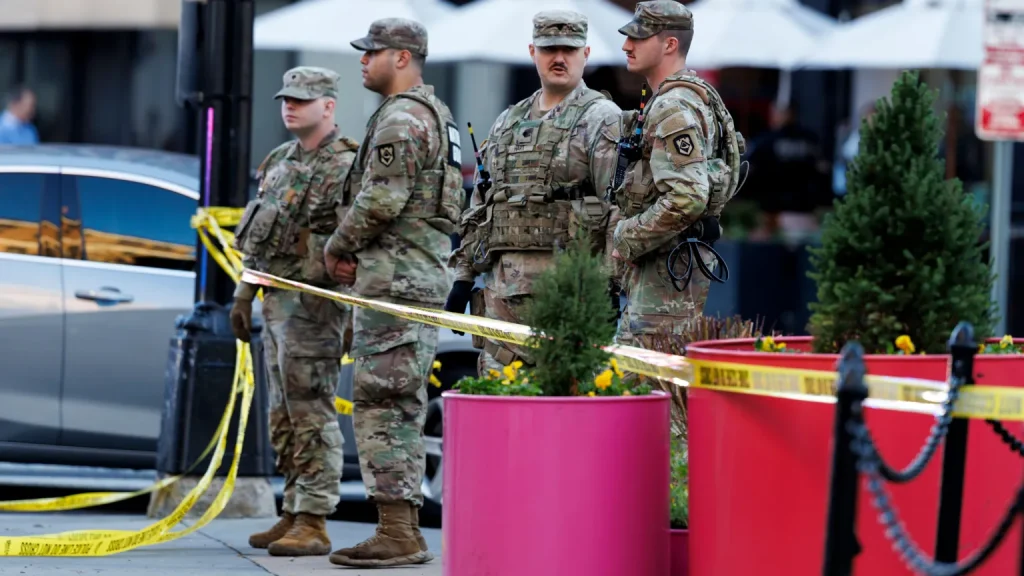
The Attack: A Planned Ambush in the Nation’s Capital
According to federal officials, Lakanwal opened fire on the two Guardsmen during what authorities described as a “deliberate ambush.” Law enforcement shot the suspect during the incident, and he is currently hospitalized and facing murder charges.
The attack triggered immediate national concern and political reaction, including new restrictions on asylum processing announced by President Donald Trump.
From Afghanistan to the United States: A Chaotic Transition
Lakanwal entered the United States in 2021 as part of Operation Allies Welcome, created to evacuate Afghans who had assisted American troops and intelligence agencies during the two-decade war. His arrival coincided with the fall of Kabul to the Taliban and the frantic evacuation of at-risk allies.
He later applied for asylum in 2024, and his request was approved in 2025. Records show that he lived with his wife and five children in Bellingham, Washington—over 2,500 miles away from the site of the attack.
Alarming Emails: Isolation, Depression and Manic Episodes
Emails sent in January 2024 by a case worker helping the family reveal that Lakanwal:
-
Had been unemployed for nearly a year.
-
Lived in near-total isolation.
-
Sat alone in a dark room for weeks at a time.
-
Experienced “manic episodes” in which he drove off for days without contacting his family.
-
Barely spoke to his wife or older children.
One email reads:
“World Relief volunteers are trying to patch things for the family, but I believe the father has serious mental health issues that have not been addressed.”
Another message describes him spending “weeks on end” in his darkened bedroom, avoiding all interaction.
These accounts came from a case worker—not a mental health professional—but they nonetheless highlight major red flags that appear to have been overlooked by authorities.
A Troubled Past: Zero Units and the CIA Connection
A former Afghan security official told CBS News that Lakanwal previously served in a “Zero Unit,” an elite Afghan paramilitary group that worked in close coordination with the CIA. CIA Director John Ratcliffe confirmed Lakanwal’s cooperation with the agency, though he did not elaborate on the nature of his work.
A childhood friend told the New York Times that Lakanwal had suffered psychological trauma following his work in Afghanistan, where many Afghan agents lived under constant threat.
Claims of Radicalization Within the United States
In an interview with NBC, Homeland Security Secretary Kristi Noem said that investigators believed Lakanwal “was radicalized here in the United States,” potentially through connections within Afghan communities.
No evidence has yet been released publicly to substantiate these claims.
National Political Fallout: Trump Freezes Asylum Processing
The attack has already prompted sweeping policy changes. President Trump declared that migration from “all third-world countries” would be paused indefinitely.
USCIS Director Joseph Edlow announced a full halt to asylum adjudications “until every alien can be vetted and screened to the maximum degree possible.”
Trump told reporters he expected the suspension to last “for a long time.”
Unanswered Questions
The case raises deeper concerns about:
-
How high-risk refugees with trauma are screened and monitored.
-
Whether state and federal agencies missed critical warning signs.
-
How mental health services for resettled refugees are managed.
-
Whether political reactions are proportional or opportunistic.
For now, the Washington DC shooting stands as a painful reminder of the vulnerabilities within the US refugee resettlement and asylum system.