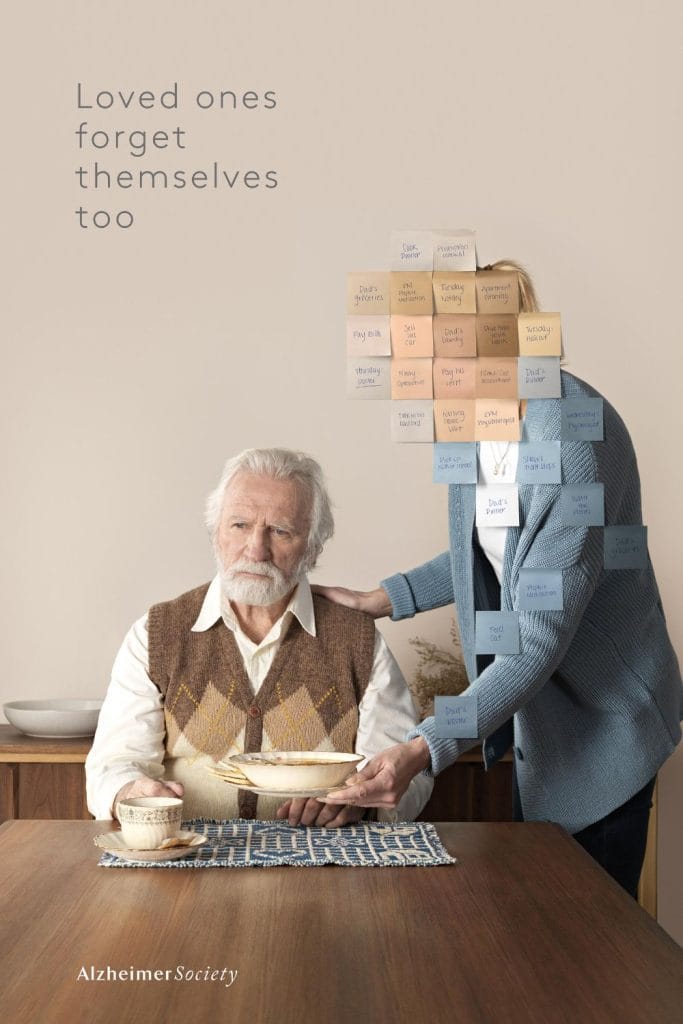
Why Do Alzheimer’s Patients Forget Their Loved Ones? New Research Uncovers a Hidden Mechanism
For families affected by Alzheimer’s disease, one of the most heartbreaking experiences is the moment when a loved one no longer recognizes familiar faces. This devastating symptom has long been accepted as an unavoidable mystery — until now. Researchers at the University of Virginia may have finally discovered why this happens.
Led by neuroscientist Harald Sontheimer, PhD, and doctoral researcher Lata Chaunsali, the team identified a crucial factor behind the loss of social memory: the decline of perineuronal nets — protective, web-like structures that wrap around neurons and support stable communication between brain cells.
In individuals with Alzheimer’s, these nets gradually deteriorate. As they weaken, neurons lose their ability to transmit information efficiently. The result is not simply “forgetfulness,” but a breakdown of the neural framework that links a familiar face to an existing memory. The person sees their spouse or child, but the brain can no longer make the connection.
Using mouse models, the researchers demonstrated that protecting these neural nets prevents the loss of social memory. The mice continued to recognize other mice they had interacted with, marking a major breakthrough in understanding how Alzheimer’s disrupts relationships and recognition.
Even more promising, the team tested MMP inhibitors — medications previously explored in cancer and arthritis treatment — and found that they successfully preserved the neural nets, allowing memory retention to remain intact.
Today, Alzheimer’s affects more than 55 million people worldwide, with numbers expected to rise sharply in the next decade. This discovery opens a new strategic pathway toward treatments that could preserve the most meaningful element of human connection: the ability to recognize and remember the people we love.
If future therapies can protect these neural structures in humans, we may be closer than ever to preventing one of the most painful consequences of Alzheimer’s — the fading of relationships, identity, and shared history.