Two-Week Ceasefire Between the USA and Iran: A Path to Peace or Merely a Temporary Respite?
What Has This Ceasefire Brought?
The recent two-week ceasefire between the United States and Iran marks a pivotal moment amidst existing international tensions, exacerbated by a military conflict that has persisted for over 40 days. This agreement, facilitated by Pakistan, follows air and missile strikes that have rocked the region and endangered global stability. Additionally, the war has led to a spike in oil and gas prices, making this a global economic concern. However, the question remains: is this cessation of hostilities a definitive solution or simply a pause before renewed escalation?
Terms of the Ceasefire
Under the negotiated terms, the United States has agreed to halt military strikes against Iran for two weeks, asserting that its strategic objectives have already been achieved. Concurrently, Iran has consented to the “immediate and safe” opening of the Strait of Hormuz, a vital artery through which approximately one-fifth of the world's oil passes. This re-opening has become essential, given that Iran previously restricted maritime traffic in response to attacks initiated by the U.S. and Israel.
Iran's Ten-Point Proposal
U.S. President Donald Trump noted he received a ten-point plan from Iran, deeming it a “viable basis for negotiation.” While the full details of this plan have not been made public, diplomatic sources suggest it encompasses fundamental commitments, including:
- Iran's pledge to refrain from attacking its neighbors.
- Coordination of navigation activities in the Strait of Hormuz with Iranian military forces.
- Acceptance of Iran's nuclear program.
- Lifting all sanctions imposed on Iran.
- Withdrawal of U.S. military forces from the region.
- Compensation for damages incurred by Iran as a result of the war.
This proposal could serve as a foundation for future discussions, but its implementation hinges on the goodwill of both parties.
What Has Iran Accepted?
Iran has accepted the ceasefire contingent upon the cessation of U.S. and Israeli attacks. Furthermore, Iran has promised to suspend its retaliatory strikes during the ceasefire period. This decision reflects a strategic approach from Tehran, which recognizes that in order to reap the desired benefits from negotiations, it must exhibit a willingness to cooperate.
The Role of Israel in the Conflict
Although the ceasefire has been a welcome development, Israel has stated that the agreement will not include the cessation of its strikes against Hezbollah in Lebanon. Prime Minister Benjamin Netanyahu has made it clear that the war with Hezbollah will continue, suggesting a distinct division within regional alliances. This complicated situation underscores the intricate geopolitical dynamics in the Middle East and highlights the necessity for an integrated solution that addresses all parties involved.
Impact on Global Economies
The economic ramifications of this ceasefire are significant. While oil prices have surged in response to previous conflicts, the opening of the Strait of Hormuz has the potential to stabilize energy markets. Additionally, the cessation of hostilities might mitigate price volatility and restore investor confidence. This dynamic is crucial, given that the region serves as a major source of energy resources for many nations worldwide.
The Future of Negotiations
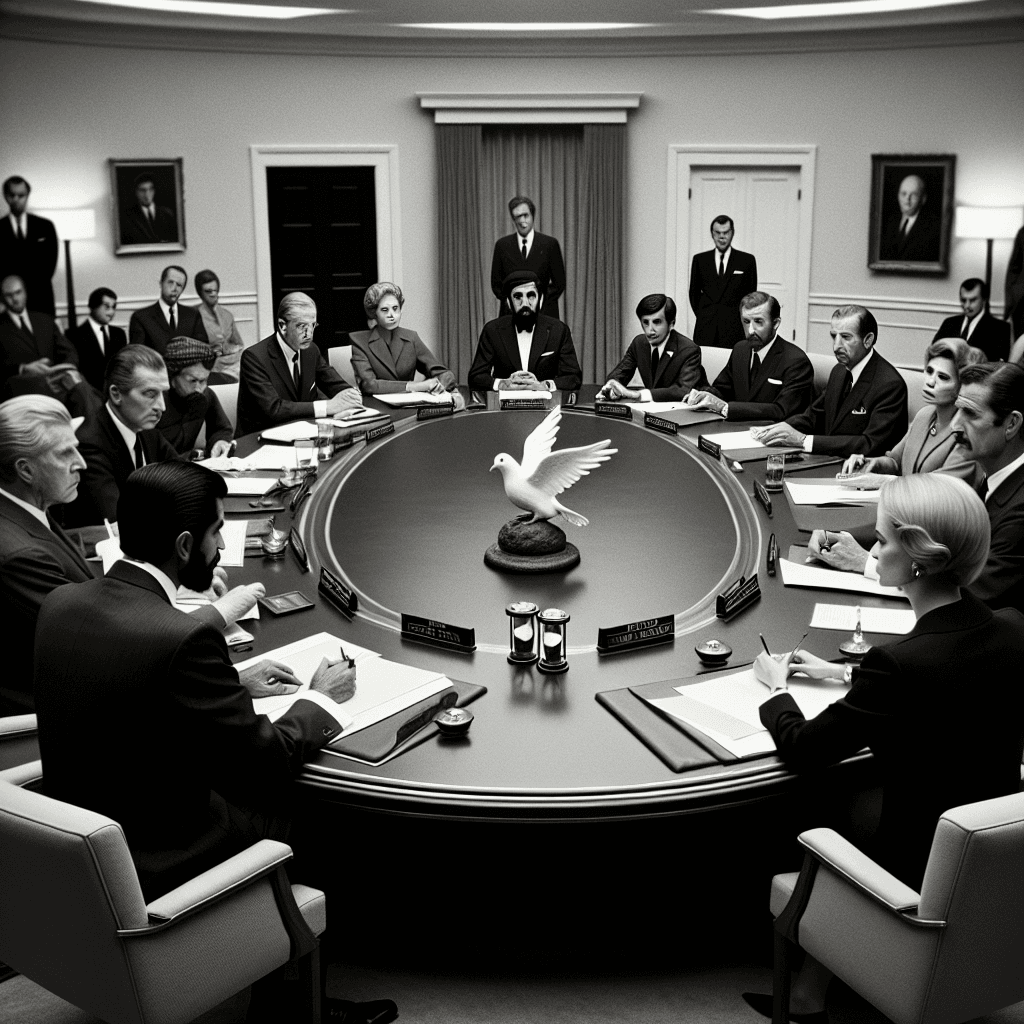
Upcoming meetings in Islamabad are set to bring together officials from the U.S. and Iran in an effort to transform the ceasefire into a permanent agreement. This stage of diplomacy will be critical, as it will determine whether the two nations can overcome their fundamental differences. Analysts suggest that, while the discussions may face challenges, there is a shifting terrain. The credibility of military threats from the U.S. has diminished, and any agreement will require mutual compromises.
The Warhial Perspective
In the current geopolitical context, the ceasefire between the U.S. and Iran not only represents a temporary pause in a destructive conflict but also a potential opportunity to construct a more stable regional security architecture. Both Iran and the U.S. must acknowledge the necessity of a diplomatic and sustainable solution. In light of existing global challenges, a pacification of the Middle East could serve as a model of how open leadership and intelligent negotiations can transcend ideological and historical differences. In the absence of a long-term vision, any ceasefire is likely to be merely another step towards renewed conflict.