Iranian Universities: Victims of the War's Nightmare
The Apocalypse of Education
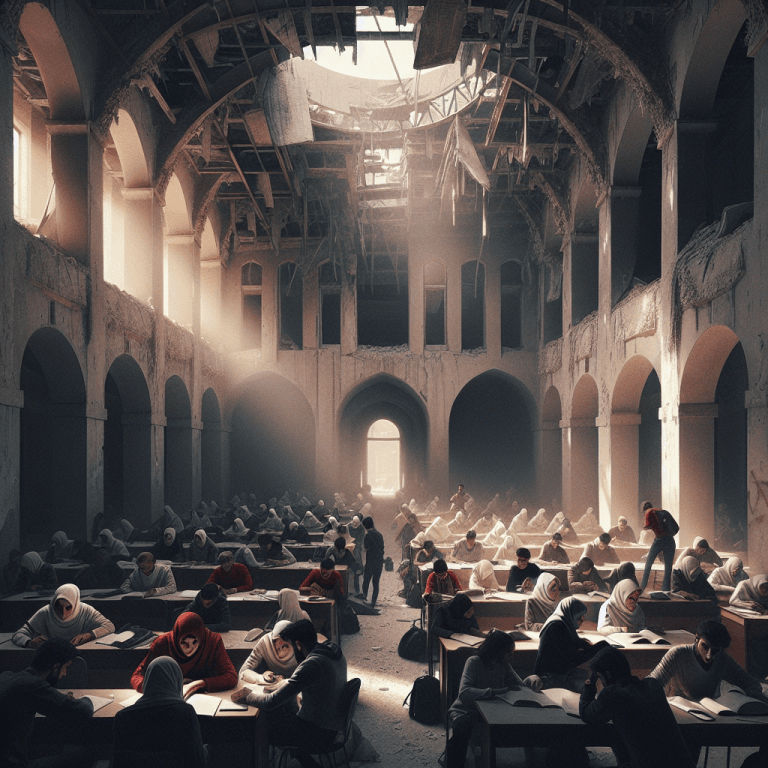
The ongoing conflict in the Middle East profoundly impacts education and research in Iran. Initially perceived as a battle for power and influence, this war has cast a shadow over educational institutions. Recent attacks on Iranian university campuses highlight a particularly disturbing theme: universities are becoming battlegrounds, with students and faculty caught in the midst of a geopolitical storm.
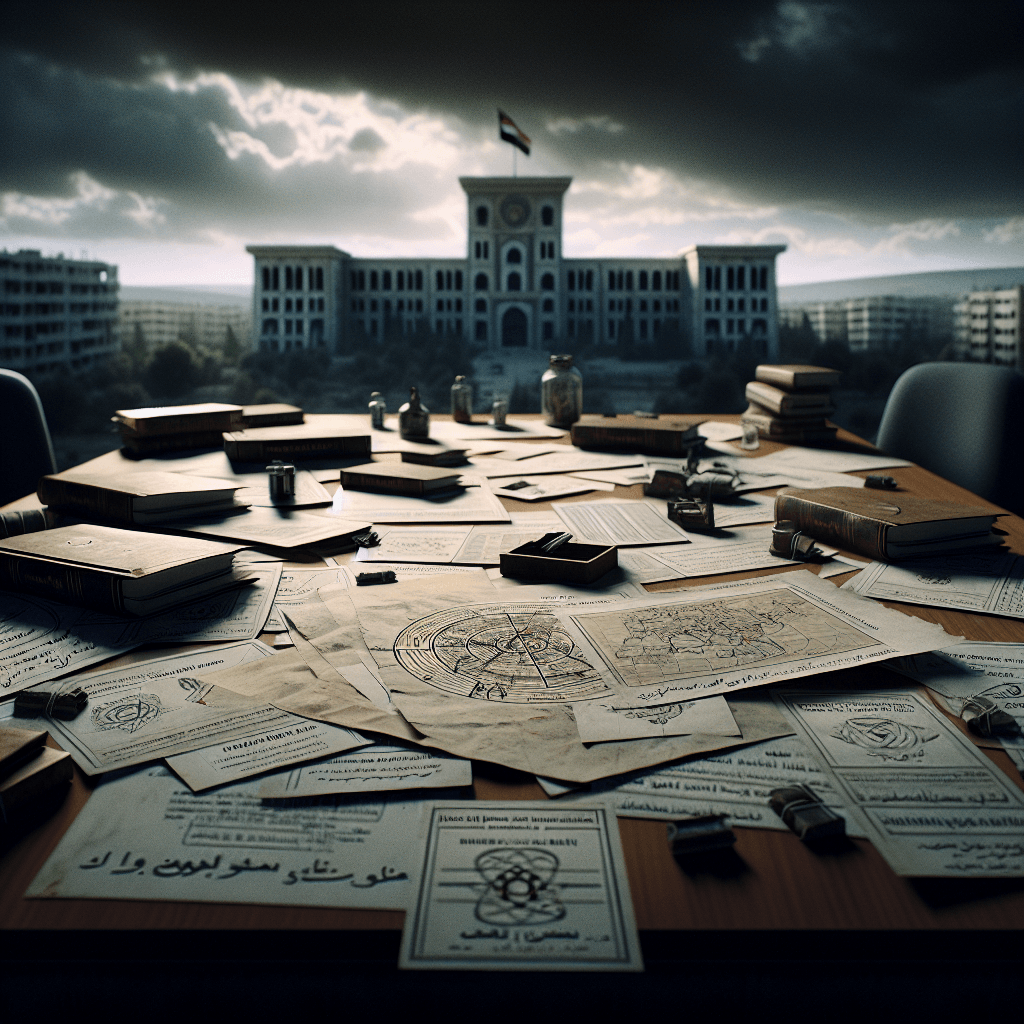
Attacks on two research universities in Iran, reported at the end of last week, have inflicted not only physical destruction but also irreparable harm to the intellectual health of the nation. According to sources, at least 21 Iranian universities have been affected, making this phenomenon a matter of global concern.
Between War and Education
In recent days, the Iranian Revolutionary Guard has issued explicit threats against North American universities and sought retribution, indicating an escalation of the conflict. But why target universities? The shift from conventional warfare to psychological and educational warfare reflects increasingly sophisticated strategies. Education, a vital resource for any nation's future, is now under attack, transforming it into a battleground for global influence.
This situation raises fundamental questions about the meaning of education in a world where national security takes precedence over intellectual value. When institutions meant to protect knowledge are attacked, what message does that send to future generations? As research becomes a mere illusion, how can a nation thrive amidst technological advancement?
Preserving Knowledge in Conflict Zones
Universities are sacred places of learning and innovation, yet when they become targets of violence, their fundamental function is jeopardized. Students, who should be developing skills to contribute to the nation's future, face daily insecurities. Perhaps the saddest aspect of this crisis is that the younger generation, which could reshape a nation’s trajectory, is overwhelmed by fear and uncertainty.
The irony lies in the fact that education is an instrument of social justice and progress, yet now, under the conditions of war, it is treated as a weapon. Iranian universities are becoming an extension of the conflict, and students must navigate a complicated reality in which education and survival are intertwined.
International Involvement and Responses
In a globalized world, attacks on educational institutions cannot be overlooked. The international community has an obligation to respond, not merely from the perspective of a simple denunciation of human values, but also considering the impact these actions have on global stability. As Iraqi universities turn into war zones, the question arises: where are the limits of international action?
The European Union, the United States, and other international bodies should firmly condemn attacks on education. Such actions not only jeopardize the present but also the future of the region. Moreover, it is crucial for universities worldwide to unite in creating a common front against these threats.
Voices from the Ground: Students and Faculty Perspectives
At the heart of this crisis are the people affected. Students and professors express frustration and fear, yet also a determination to continue learning and teaching. Many of these institutions were established to promote knowledge and progress, but they coincide with a climate where freedom of expression is restricted.
Recent interviews with students and faculty in Iran reveal that, despite their fears, the resolve to take a stand and continue the educational process is stronger than ever. Positioned at the center of a conflict, they advocate for humane treatment and the recognition of education's importance in building a better society.
The Story of Our Time
These events suggest a grim reality: war does not only affect soldiers and civilians directly involved but also profoundly impacts education. Education defines us as humanity, and attacking these institutions signifies an assault on fundamental human values.
There is an urgent need to acknowledge these attacks and respond, not just with words but with concrete actions. The war in Iran transcends the physical dimensions of military conflict; it is an ideological war that affects the future of all humanity.
The Warhial Perspective
As observers of an increasingly complex conflict, we are compelled to actively engage in discussions on how we can contribute to protecting education and knowledge in a world where violence is becoming the norm. Supporting international initiatives to safeguard university campuses is essential, and discussions about necessary educational reforms must consider not only technical aspects but also the fundamental values of humanity.