WFP Warns Food Aid in Sudan May Run Out by March
Humanitarian Crisis in Sudan Deepens
The World Food Program (WFP) announced on Thursday that it is facing challenges in maintaining emergency operations in Sudan, where over 1,000 days of warfare have pushed families to the brink of survival.
Since the onset of the conflict, the UN agency has reached 10 million vulnerable people with food, financial, and nutritional assistance, continuing to deliver aid monthly to four million individuals, even in hard-to-reach areas of the Darfur and Kordofan regions, as well as the states of Khartoum and Al Jazira. However, Ross Smith, the director of preparedness and emergency response, warned that "these few achievements are now at risk of being undone" due to drastic reductions in food rations.
"By the end of March, we will exhaust our food supplies in Sudan," he stated.
Expanding Food Crisis
This crisis has been fueled by the conflict between the Sudanese Armed Forces (SAF) and the Rapid Support Forces (RSF), who have been fighting for power since April 2023, leading to the world's largest hunger crisis and humanitarian disaster.
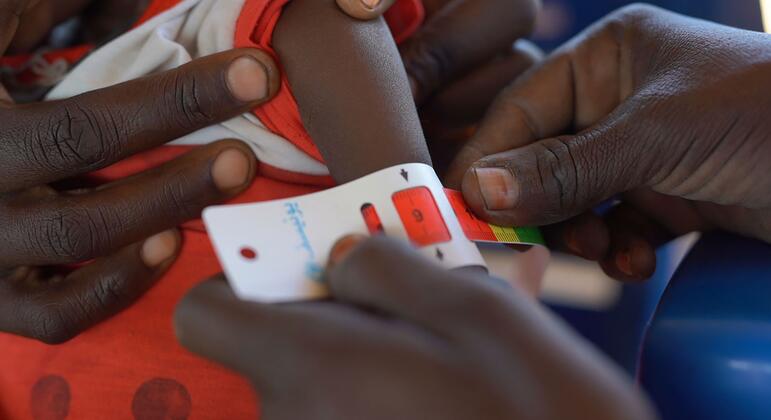
Over 21 million people lack sufficient food, with famine confirmed in certain parts of the country where humanitarian access is practically impossible. Nearly 12 million individuals have been forced to flee their homes, seeking refuge either within Sudan or across borders. Additionally, approximately 3.7 million children and pregnant or breastfeeding mothers are malnourished, and recent surveys have documented record levels of malnutrition in some areas of North Darfur.
Call for Assistance
WFP has teams in Sudan and can accelerate aid to save more lives, but funding remains a challenge, with an urgent need for $700 million to continue operations through June.
In the past six months, WFP has provided regular assistance to nearly 1.8 million people in food-insecure areas or where there is a threat of famine, contributing to the prevention of hunger in nine locations. A recent achievement was a joint UN convoy in Kadugli in October, one of the areas where families had been deprived of assistance for months.
"One thousand days of conflict is one thousand days too many. Each day of fighting deepens families into hunger, and communities are pushed closer to the brink of despair," Mr. Smith said. "We can change the fate and prevent the worsening conditions of hunger, but only if we have the necessary funding to support these vulnerable families."