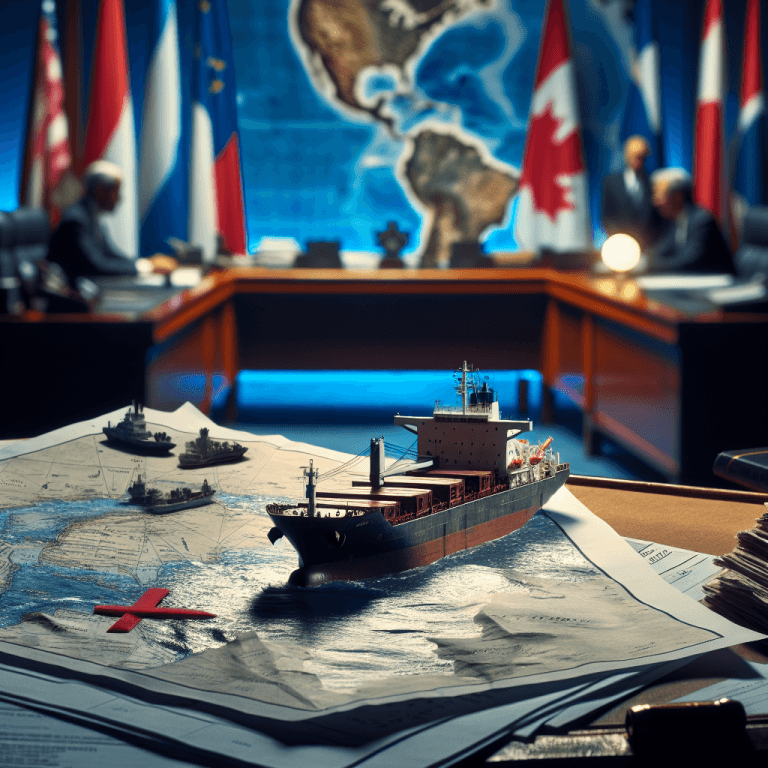
Tensions Escalate in the South China Sea Amidst Rising Military Activity and Diplomatic Strains
Context & Background
The South China Sea, a critical maritime route rich in resources and strategic importance, has been a flashpoint for geopolitical tensions for decades. Encompassing major trade routes that carry over $5 trillion in shipborne trade annually, this body of water is claimed by multiple nations, including China, Vietnam, the Philippines, Malaysia, and Brunei. China's assertive territorial claims, bolstered by significant military infrastructure development on disputed islands and reefs, have sparked confrontations with neighboring countries and increased U.S. naval presence in the region as part of its Indo-Pacific strategy. Historically, the region has been a kaleidoscope of territorial disputes, dating back to the colonial era, when European powers and Japan delineated lines of control. The 2016 Permanent Court of Arbitration ruling invalidating China's expansive claims under the 'nine-dash line' heightened tensions instead of resolving them, leading to a complex interplay of nationalism, security, and diplomacy in a region that finds itself at the heart of U.S.-China rivalries.