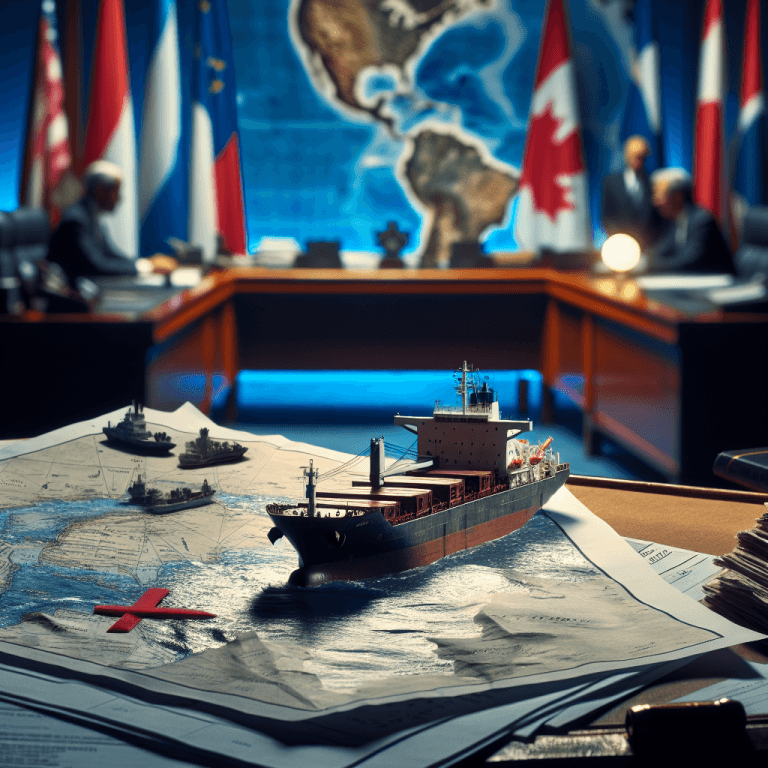
Understanding the Recent Escalation in Tensions Within the South China Sea Region: A Comprehensive Analysis
Context & Background
The South China Sea has long been a focal point of geopolitical tension, as its rich natural resources and critical shipping lanes serve as a significant strategic asset for several nations. Historically, this area is steeped in packed narratives of colonial expansion, World War conflicts, and post-colonial assertions. After World War II, many Southeast Asian nations sought independence from colonial powers, leading to new disputes over sovereignty. The emergence of China as a global power in the late 20th century has revitalized territorial claims, particularly through its assertion of the 'Nine-Dash Line,' which marks a vast area that China considers its sovereign territory. This claim, however, overlaps with the territorial assertions of several countries including Vietnam, the Philippines, and Malaysia. Economically, the South China Sea is estimated to hold substantial reserves of oil and natural gas, alongside acting as one of the world's busiest maritime trade routes, further complicating international interests in the region. Environmental concerns have also prompted discussions surrounding fishing rights and preservation efforts.