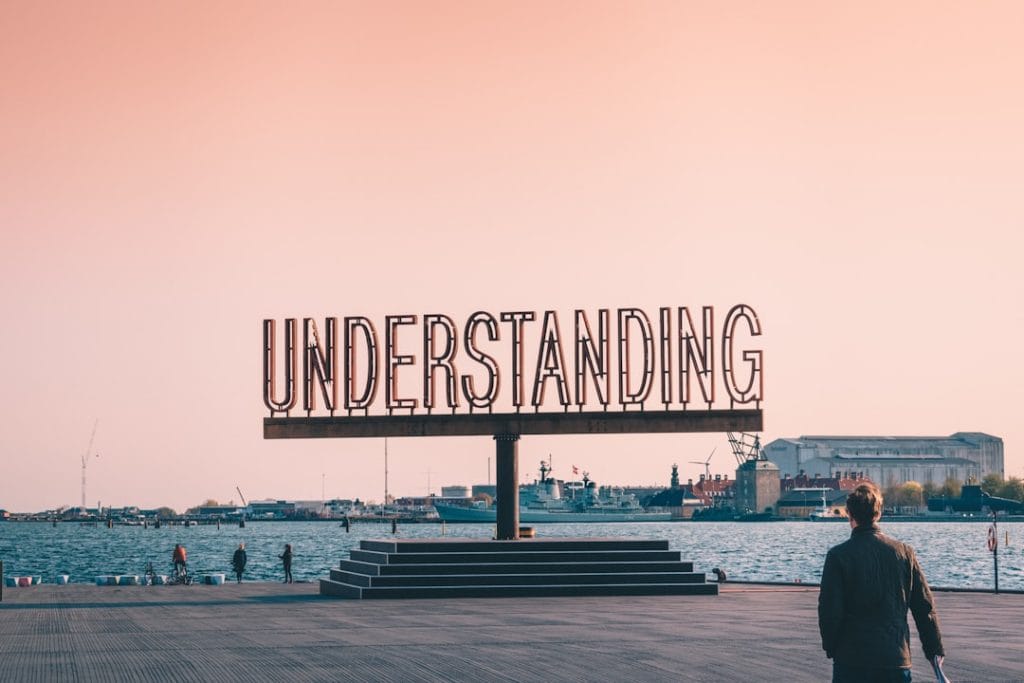
Understanding the Multidimensional Impacts of Recent Geopolitical Tensions on Global Economics and Politics
Context & Background
The intricate web of modern geopolitics cannot be disentangled from its historical antecedents. Over decades, relationships between major world players have been fraught with tensions stemming from various factors: territorial disputes, resource scarcity, and the struggle for ideological dominance. One pivotal moment was the Cold War, during which the ideological rift between the capitalist West and the communist East led to a series of proxy wars and a significant arms race. As the Soviet Union collapsed in 1991, new dynamics began to shape the world stage, making way for the United States as a predominant force. However, the rapid globalization and the rise of new powers—most notably China—have injected complexity into these dynamics. The recent geopolitical tensions mark a resurgence of the kind of aggressive posturing reminiscent of the earlier 20th century, exacerbated by nationalistic movements and historical grievances that continue to inform current policies. The intertwining of technology and economics with politics has only deepened, illustrating that these tensions are not just political but also fundamentally economic in nature.
Incident Details
Recently, a series of diplomatic skirmishes have erupted that have significant implications for both international relations and global markets. In particular, a recent military exercise conducted by one nation in a disputed region has escalated tensions, prompting swift retaliatory rhetoric from its neighbors. This incident not only showcases the military preparedness of the involved nations but also raises alarms for global investors concerned about the stability of the region. The military exercise involved sophisticated weaponry and showcased capabilities that had not been publicly displayed before, indicating a shift in military strategy. Civilian populations in the nearby regions have been put on alert, leading to a palpable increase in anxiety among citizens, media portrayals, and social media reactions solidifying the incident's prominence in public consciousness. Economically, the markets have reacted with volatility; investors have begun to shift assets in anticipation of longer-term destabilization. Price fluctuations in commodities, particularly oil and gas—integral to the economies of many involved nations—are being closely monitored as they can serve as barometers for geopolitical stability.
Official Reactions
Reactions from government officials globally have ranged from calls for diplomacy to outright condemnation of military actions. Nations with vested interests in the region have issued statements urging restraint and dialogue, reflecting a shared desire to avert a conflict that could devolve into a broader regional crisis. International organizations, including the United Nations, have expressed concern over the situation, advocating for peaceful resolutions to disputes. Analysts have noted that such unified calls for peace may represent a shift in international norms, where collective security agreements are increasingly viewed as essential to maintaining order in an anarchic international system. The rhetoric emanating from government servers indicates a shift toward viewing military maneuvers as provocations rather than defensive actions, which could lead to a hardening of positions in the diplomatic arena.
Impact & Future Outlook
The ramifications of these geopolitical tensions are likely to extend far beyond the immediate circumstances. Economically, businesses are already reevaluating supply chains and foreign investments based on perceived risks, with data suggesting that instability in the region could lead to a decrease in foreign direct investment (FDI) by as much as 30% in the short term. Long-term consequences could include a restructuring of global trade routes as corporations move to mitigate risks associated with affected areas, affecting everything from shipping and logistics to consumer pricing and market accessibility. Additionally, as nations are compelled to choose sides, a new era of geopolitical alignment may emerge, which could dramatically alter existing alliances and trade partnerships. Regionally, military postures will likely remain heightened, with nations investing more heavily in defense, potentially diverting funds away from crucial social programs that address poverty, education, and health. Looking ahead, one must consider not only the immediate fluctuations in markets and international relations but also the foundational shifts that may occur in global political structures, potentially heralding a new age of diplomacy tinged with uncertainty and distrust.