The Recent Economic Sanctions: Evaluating Their Global Impact and Future Consequences
Context & Background
In the complex geopolitical landscape, economic sanctions have become a prevalent tool employed by nations to assert influence and respond to perceived transgressions or threats posed by other nations. Historically, sanctions have roots that trace back to ancient civilizations, where economic blockades were utilized as a strategy in conflict resolution. However, in modern times, the implementation of sanctions gained momentum in the 20th century, particularly during the Cold War, when countries like the United States and Soviet Union applied economic pressure to strategically weaken their adversaries. The motivations behind these sanctions often extend beyond immediate economic considerations and delve into broader political narratives, encompassing human rights violations, nuclear proliferation fears, and the destabilization of regional powers. As we navigate through the 21st century, the increasing complexity of global interdependencies and alliances has rendered the impacts of sanctions more intricate, both for the nations imposing them and for those targeted.
Incident Details
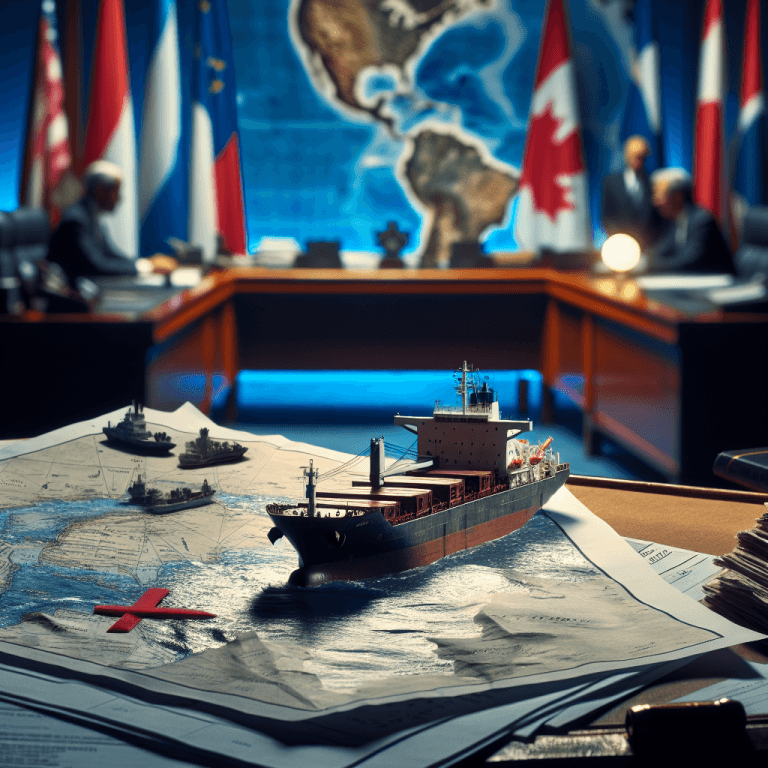
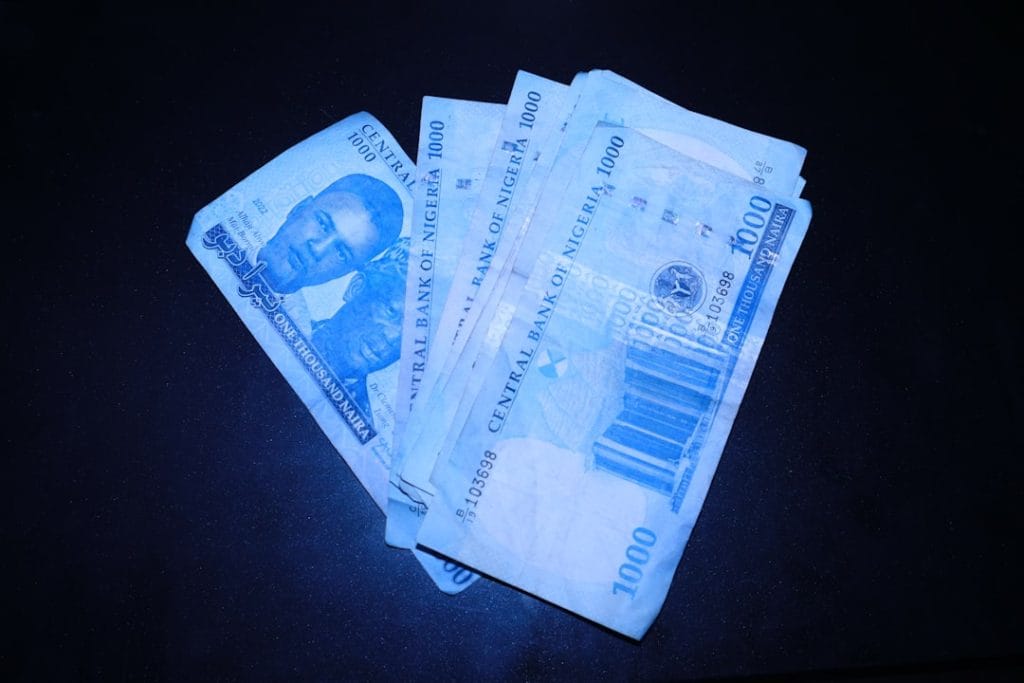
Recently, the imposition of new economic sanctions has sent ripples throughout global markets, stirring both immediate responses from the targeted nations and a spectrum of reactions from global leaders. The sanctions, aimed primarily at curbing the actions of specific countries accused of engaging in hostile activities, have caused notable fluctuations in commodities and financial markets. For instance, import restrictions on vital exports have disrupted supply chains, causing shortages in various sectors and inflating prices substantially. The targeted nation's currency has experienced instability, prompting capital flight and heightened inflation. These economic measures have also invoked a sense of urgency in neighboring countries, which are now contemplating the long-term ramifications on their economies due to their intertwined fates with the sanctioned entities. As the situation continues to evolve, it remains critical to analyze not only the immediate consequences but also the broader implications for regional and global economies.
Official Reactions
In the wake of these sanctions, official reactions have been overwhelmingly polarized. Top officials from the sanctioned nation characterized the measures as punitive and an infringement on sovereignty, denouncing them as acts of economic warfare. Conversely, governments supporting the sanctions have lauded them as a necessary step to restore global order and accountability. For example, the United States issued statements emphasizing the importance of unity among allies, asserting that collaboration among nations facing similar threats is essential to counteract the destabilizing effects of such actions. International organizations have also chimed in, with some advocating for dialogue while others support the sanctions as a legitimate strategy in international relations. This dichotomy in responses highlights the deeply entrenched divisions in current geopolitical dynamics.
Impact & Future Outlook
The long-term consequences of these sanctions extend beyond immediate economic distress. Historically, while sanctions may achieve short-term compliance or political leverage, they often lead to significant unintended consequences, such as humanitarian crises and the deepening of nationalistic sentiments among the populace. Economically, prolonged sanctions can stifle growth, leading to job losses and decreased living standards for ordinary citizens. Data-driven projections indicate that if the sanctions remain in place for an extended period, we could see a substantial contraction in the target nation's GDP, potentially exceeding 5% within a year. However, countries often adapt to sanctions, developing alternative trade routes and economic alliances that can mitigate the intended impact. The future trajectory will likely be shaped by the resilience of the sanctioned economies, the unity among sanctioning countries, and the international community's response, raising the question: will this cycle of economic sanctions ultimately foster cooperation, or will it deepen hostilities and division in the international arena?