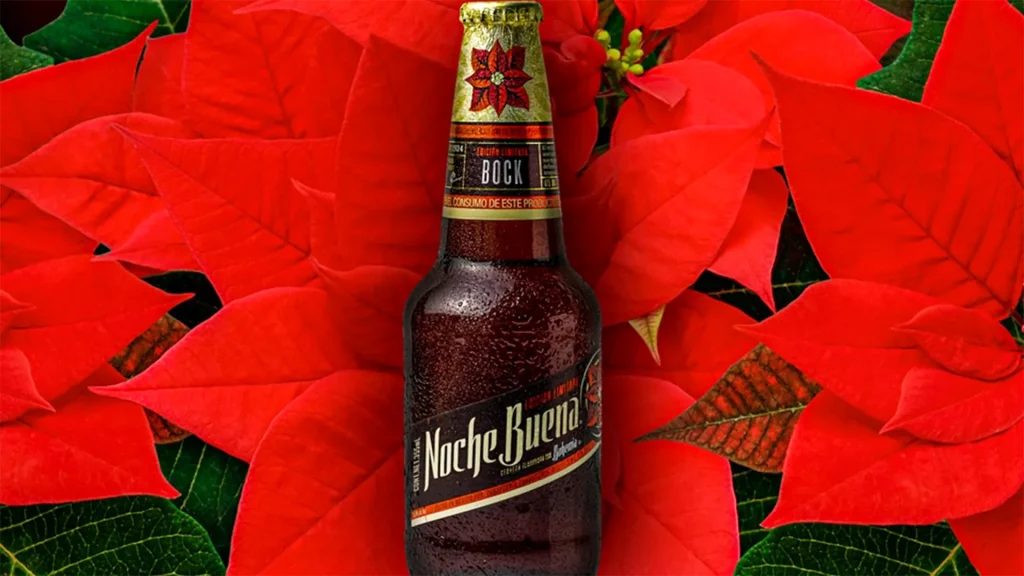
Noche Buena: The Forbidden Taste of a Mexican Christmas
The story of the one brew the world's leading beer exporter refuses to share with the rest of the planet.
Mexico is a titan of the global brewing industry, with international sales exceeding $6.8 billion annually—more than the next four largest exporters combined. Yet, its most prestigious seasonal offering, Noche Buena, remains an elusive treasure for anyone living outside the country. This robust Bock-style beer is the liquid heartbeat of the Mexican holiday season, acting as the unofficial herald of Christmas.
German Roots, Mexican Soul
The story begins with the 19th-century European migration. Displaced by industrial shifts in Europe, German and Swiss brewers brought their lager-making expertise to Mexico's high altitudes. In 1924, master brewer Otto Neumaier crafted a private winter reserve in Orizaba, intended only for intimate gatherings of friends and family. It was a stark departure from the light, crisp lagers typical of the region. By 1938, the demand for this dark, mahogany brew was so high that it was officially released to the public as "Noche Buena" (Christmas Eve).
A Seasonal Obsession
What fuels the mystique of Noche Buena is its strict scarcity. Historically available for only a few weeks each year, its arrival on supermarket shelves triggers a nationwide frenzy. With a 5.9% ABV and a complex profile of toasted malt, caramel, and dark fruit, it is designed specifically for the Mexican Christmas table. It cuts through the richness of traditional dishes like mole and salty bacalao with a precision that lighter beers lack.
Despite a brief attempt by Heineken to export it to the U.S. between 2011 and 2018, the beer remains a domestic exclusive today. For the Mexican diaspora, Noche Buena is more than a drink; it is a cultural anchor. To taste it, one must travel to Mexico, making it one of the few global products that still respects the boundaries of local tradition and seasonality.