The Year Memoirs Lost Their Innocence: Truth, Fiction, and Scandal in 2025
From Virginia Giuffre’s posthumous confessions to the collapse of the "Salt Path" myth, the memoir genre is facing its deepest crisis of trust in decades.
In 2025, personal stories proved to be a double-edged sword. While memoirs frequently made headlines for the powerful truths they unveiled, several high-profile controversies raised uncomfortable questions about the future of the genre. The past 12 months have forced a re-evaluation of the boundary between "emotional truth" and "deliberate fabrication."
The "Salt Path" Scandal: A Breach of Contract?
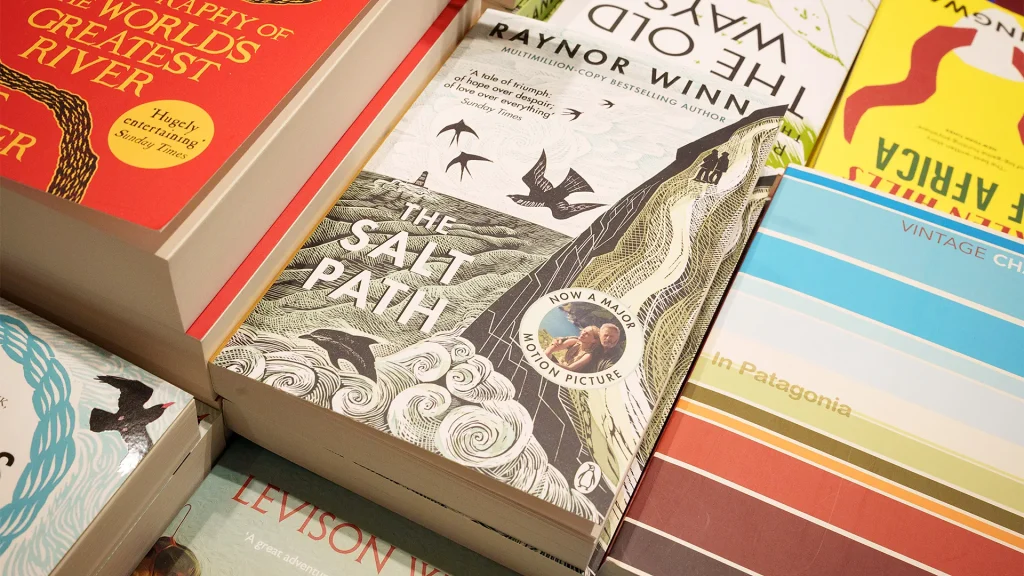
The biggest literary earthquake of the year was the exposure of Raynor Winn’s The Salt Path. For years, the narrative of a couple losing their home and embarking on a 630-mile trek while a terminal illness miraculously reversed was hailed as a masterpiece of "unflinching honesty." However, an investigation by The Observer in July revealed a much darker reality: the loss of their home followed a legal dispute involving allegations of theft against Winn herself. Furthermore, medical experts expressed deep skepticism regarding the "miraculous" recovery depicted in the book.
The fallout divided the literary world. While some bookshops offered refunds to betrayed readers, the book climbed back up the bestseller lists, and the film adaptation remained a hit. This suggests a cynical shift in readership: for many, the "triumph-over-tragedy" narrative is so seductive that the facts behind it become secondary.
The Impact of Authenticity: Harris and Giuffre
However, 2025 also highlighted the constructive power of the memoir. Virginia Giuffre’s posthumous autobiography Nobody's Girl intensified pressure on the British establishment, leading to the final stripping of titles from the former Prince Andrew. In politics, Kamala Harris’s 107 Days provided a visceral account of her campaign, proving that the memoir is still the most effective tool for historical self-positioning.
Conclusion: Trust in the Age of Distortion
As writer Lily Dunn points out, the connection between narrator and reader relies on a "contract of honesty." Yet, as publishers prioritize "money-spinning" status over fact-checking, that contract is fraying. Looking toward 2026, the genre must decide if it is a branch of creative writing or a record of human life. In a world increasingly distorted by AI, genuine human experience is more vital than ever—but only if we can believe it.