The Bondi Beach Massacre: Chilling Details of "Meticulous" Planning Unveiled
New court documents reveal tactical training, failed explosives, and pledges to Islamic State.
New evidence presented in Australian courts paints a harrowing picture of a terrorist attack planned with chilling precision. Police documents, released Monday following the lifting of a suppression order, show that the Bondi Beach attackers did not act on impulse but orchestrated the massacre over several months, including firearms training and site reconnaissance.
Preparation: Training and Propaganda
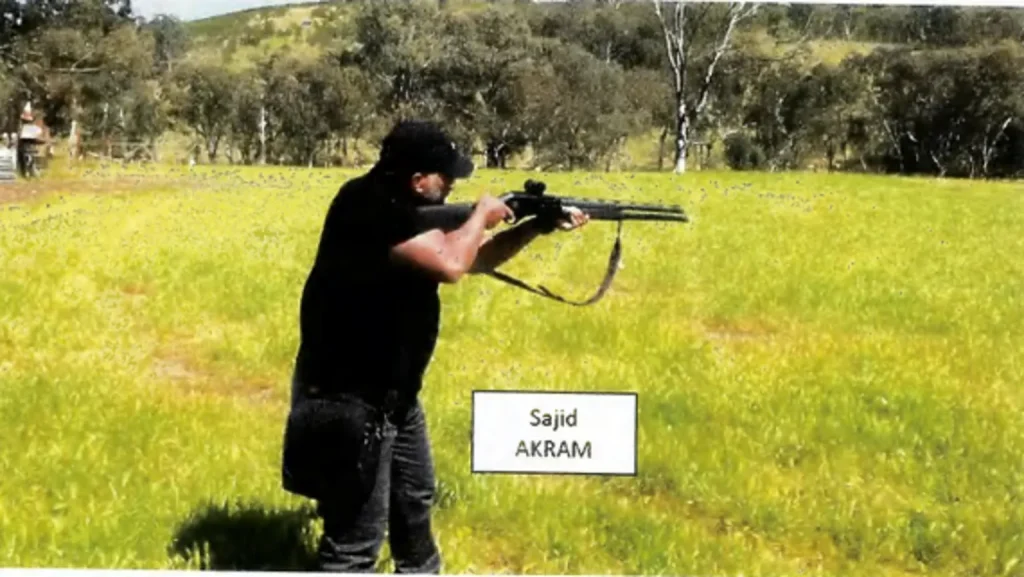
According to the prosecution files, Naveed Akram (24) and his father, Sajid Akram, prepared extensively in rural areas of New South Wales. Video footage from October captures the pair firing shotguns and moving in a tactical manner, reminiscent of paramilitary drills. Furthermore, investigators discovered videos on their phones showing the men in front of an Islamic State (IS) flag, condemning "Zionist acts" and reciting passages from the Quran.
Massacre Timeline: The Duds That Saved Lives
Two days before the December 14 attack, CCTV captured the pair conducting reconnaissance on the Bondi Beach footbridge—the exact location from which they would later open fire on the crowds celebrating Hanukkah.
On the day of the attack, around 02:00, they were seen leaving a rental property in Campsie, carrying bulky items wrapped in blankets: an arsenal consisting of Beretta rifles, shotguns, and four improvised explosive devices (IEDs). The documents reveal a terrifying detail: before they began shooting, the attackers threw three pipe bombs and a "tennis ball bomb" toward the crowd. Miraculously, none detonated, preventing a death toll far higher than the 15 victims already confirmed.
Political Fallout and Drastic New Laws
The incident has sparked a major political crisis. Prime Minister Anthony Albanese has promised tough legislation against hate speech, while New South Wales has recalled Parliament to debate stricter gun control and protest laws. NSW Premier Chris Minns admitted that the new measures might seem "too far" to some, but argued they are essential for community safety.