The Epstein Files: A Fragmented Truth and the Shadows of Redaction
The release of thousands of pages of documents related to the late sex offender Jeffrey Epstein by the US Department of Justice (DOJ) was supposed to be a landmark moment for justice. Instead, the Friday deadline left survivors, lawmakers, and legal experts feeling betrayed. What was promised as a full accounting has manifested as a "slow-roll" of heavily redacted documents that critics say may hide as much as they reveal.
A Breach of Trust
Under the Epstein Files Transparency Act, the DOJ was legally obligated to make all materials public. However, the resulting cache has been described by survivors like Liz Stein as an "insincere" effort that brazenly goes against the spirit of the law. "We just want all of the evidence out there," Stein told the BBC, expressing a collective anxiety that releasing information without context only serves to confuse the public and shield the powerful.
Legal experts have noted that the sheer volume of redactions is unprecedented. While Deputy US Attorney General Todd Blanche insisted that redactions were strictly limited to protecting the privacy of the 1,200 identified victims, the lack of an explanatory log has sparked a firestorm. Attorney John Day remarked that if the goal was to quell conspiracy theories, the DOJ has achieved the exact opposite. "Until you know what’s being redacted, you don't know what's being withheld," he noted.
High-Profilee Associations and Vanishing Files
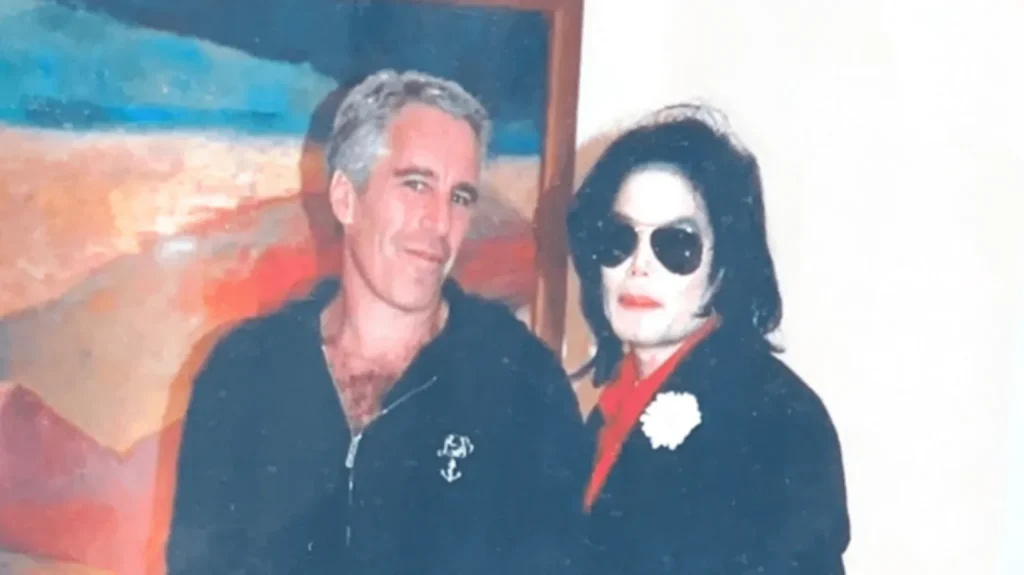
The files provide a voyeuristic look into Epstein’s world, featuring photos of celebrities and world leaders. Images of Bill Clinton, Donald Trump, Prince Andrew, and icons like Michael Jackson and Diana Ross appear within the pages. While being pictured is not evidence of wrongdoing—and both Clinton and Trump have consistently denied any knowledge of Epstein's crimes—the optics remain damaging.
The situation turned farcical on Saturday when several key files suddenly disappeared from the official DOJ portal. These included images of a photo of Trump, Epstein, and Maxwell found in an open drawer, and rooms containing massage tables. The DOJ claimed these files were pulled for "additional review," a move that Congressman Ro Khanna called "incomplete" and a failure of the department’s legal duty.
The Political Fallout
The bipartisan anger in Washington is palpable. Congressmen Khanna and Massie have threatened a range of responses, including contempt of Congress or referrals for prosecution. Massie pointedly suggested that Attorney General Pam Bondi and other officials could face legal repercussions under a future administration for failing to comply with the transparency act. As the DOJ continues its "cautionary review," the gap between government transparency and public trust continues to widen.