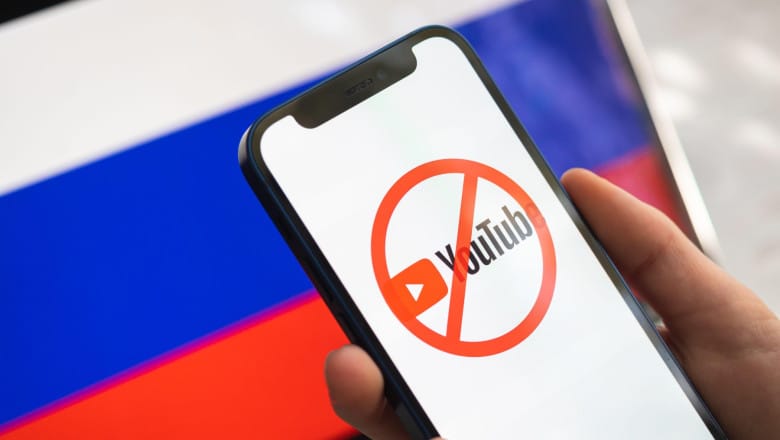
The Final Descent of the Digital Iron Curtain: Russia Announces Total Ban on YouTube Within Months
Russia is preparing to sever its last major link to the global video information space. In a statement confirming the worst fears of analysts and millions of Russian users, authorities in Moscow announced on Tuesday, December 16, 2025, the final verdict for the world's most popular video platform. Andrei Svintsov, Deputy Chairman of the State Duma Committee on Information Policy, warned that YouTube will be completely and permanently blocked within the Russian Federation over the next six to twelve months.
Chronicle of a Death Foretold
Svintsov’s statement to the "Abzats" publication comes not as a surprise, but as the culmination of a digital strangulation campaign that began nearly 18 months ago. "This is due to the fact that the service continues to ignore current Russian legislation. Everyone who uses this platform to promote their content must switch as quickly as possible to analogues — Rutube, VK Video, and others," the Russian official declared. The message is unequivocal: the grace period is over, and digital migration to state-controlled platforms is now mandatory.
The history of this gradual censorship began in July 2024, when Russian users first experienced massive throttling of upload and playback speeds. Although Roskomnadzor initially cynically blamed "technical issues" and the wear and tear of Google Global Cache servers remaining in Russia, the truth quickly surfaced. Alexander Khinshtein, a central figure in the Duma's censorship apparatus, later admitted that the service degradation was a deliberate state action intended to "sober up" the American tech giant.
Hunting Down ISPs and Closing Loopholes
By December 2024, major mobile operators (MTS, Beeline, MegaFon) had already complied with directives, rendering YouTube unusable on mobile networks. However, Russia is a vast country with a fragmented internet infrastructure, and small, local internet service providers (ISPs) continued to offer unrestricted access, attempting to retain customers through this competitive advantage.
In St. Petersburg, for example, subscribers of networks like SkyNet or Nevalink were able to access the platform until very recently. But as 2025 draws to a close, Roskomnadzor’s long arm has reached them too. "There are no restrictions on our part; the reasons are beyond our control," stated representatives from eTelecom resignedly, confirming that the blockage is being enforced centrally through TSPU equipment (technical means for countering threats) mandatorily installed in networks.
The VPN War and the Failure of Local Alternatives
The Kremlin's official rationale remains unchanged: YouTube's "disrespect" and the blocking of over 200 Russian propaganda channels. In reality, the move underscores the inability of domestic platforms like Rutube or VK Video to compete organically with YouTube. Despite massive state investment and pressure on content creators to migrate, the Russian public has remained loyal to the American platform, seeking any method to bypass censorship.
This has led to an explosion in the VPN market. According to data from the Levada Center, as early as March 2025, there was a 36% increase in VPN usage compared to the previous year. Now, as the blockade becomes total, a new digital guerrilla war is expected: the Russian state will attempt to block VPN protocols, while users will seek increasingly sophisticated solutions to stay connected to the free world. The total blocking of YouTube effectively marks the completion of the "Sovereign Runet" project—an isolated, sterilized internet fully controlled by the Kremlin's narrative.