No Silent Night: Kremlin Categorically Rejects Christmas Truce, Conditioning Peace on Kyiv's Capitulation and a Deal with Trump
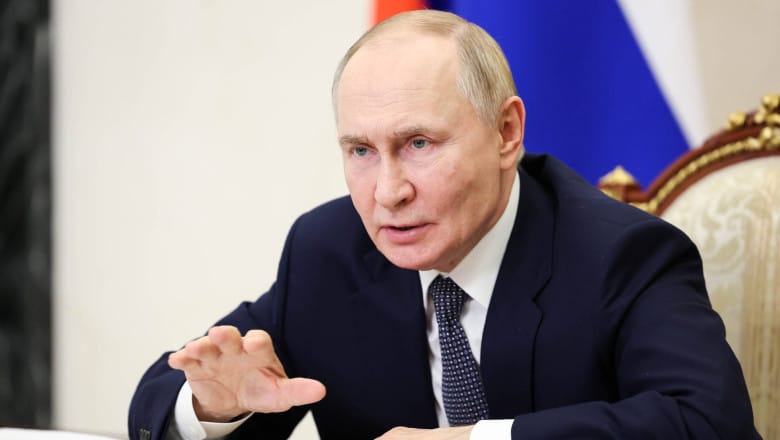
Hopes for a period of calm during the winter holidays were shattered on Tuesday, December 16, 2025, after Moscow officially rejected Kyiv's proposal for a Christmas truce. In a statement highlighting the diplomatic chasm between the two sides, Kremlin spokesman Dmitry Peskov dismissed the humanitarian initiative as a "strategic trick," reiterating that Russia is not interested in half-measures but in the total achievement of its military and geopolitical objectives.
Fear of Ukrainian Rearmament
Moscow's refusal comes just a day after Ukrainian President Volodymyr Zelenskyy publicly appealed for a temporary ceasefire, specifically aimed at halting attacks on critical energy infrastructure, which has been systematically devastated by Russian missiles in recent months. Zelenskyy argued that civilians on both sides of the front line deserve a respite during the holiday season.
However, the Kremlin views the situation through an exclusively military prism. "We want peace. We do not want a truce that would give Ukraine a pause to prepare for the continuation of the war," Peskov stated. This rhetoric reflects Moscow's strategic paranoia, fearing that any halt in the offensive would allow the Ukrainian army to rotate exhausted troops, repair Western equipment, and receive new ammunition stocks. In Russia's view, a humanitarian truce is synonymous with a tactical regrouping of the enemy—a mistake Russian generals are unwilling to make at a time when they believe they hold the initiative on the battlefield.
The Trump Factor and the "Grand Bargain"
Peskov's statements also betray the fact that Moscow no longer views Kyiv as a primary interlocutor but is looking exclusively toward Washington. "The question now is whether we, as President Trump says, will reach an agreement or not," the Russian official emphasized.
This direct reference to Donald Trump indicates Russia's strategy for 2026: forcing a "peace" that is, in reality, a deal between great powers over Ukraine's head. Moscow appears to be betting everything on the Trump administration's desire to quickly close the conflict, hoping the White House will force Kyiv to accept territorial losses in exchange for a cessation of hostilities. Peskov explicitly rejected "short-term solutions," signaling that Russia wants a reconfiguration of European security architecture that guarantees its long-term interests—a euphemism for control over spheres of influence.
The Unknown Variable of Security Guarantees
Another neuralgic point of discussion is security guarantees. While U.S. and European officials have begun signaling Washington's openness to providing Ukraine with "NATO-style" security guarantees (without immediate membership), Moscow remains skeptical and hostile. Peskov noted that the Kremlin has not yet seen the details of these proposals, but Russia's historical position has always been that any form of Ukraine's integration into Euro-Atlantic structures constitutes a red line.
If these guarantees imply the stationing of Western troops on Ukrainian territory or automatic mutual defense clauses, Russia is expected to intensify its offensive to create a fait accompli before any treaty can be signed.
In conclusion, Christmas 2025 promises to be marked by air raid sirens. By refusing the truce, Russia sends a brutal message: civilian suffering and the destruction of energy infrastructure are not sufficient reasons to stop the war machine, as long as the Kremlin's political objectives remain unsatisfied at the negotiating table with the United States.