The Illusion of Peace and a Logistic Nightmare: Finland Warns Ukraine Truce Will Push Russian Tanks to NATO’s Eastern Flank
As Western chancelleries increasingly discuss the contours of a potential armistice in Ukraine, leaders of frontline NATO states are sounding an alarm that risks being ignored by Western Europe: the silencing of guns in Donbas could signal the beginning of unprecedented military pressure on the European Union's borders. Petteri Orpo, the Prime Minister of Finland, issued a stark warning in an interview with the Financial Times, highlighting a strategic paradox: peace in Ukraine will free up Moscow's military resources, allowing the Kremlin to massively reposition its forces toward the Eastern Flank of the North Atlantic Alliance.
The Threat After Peace
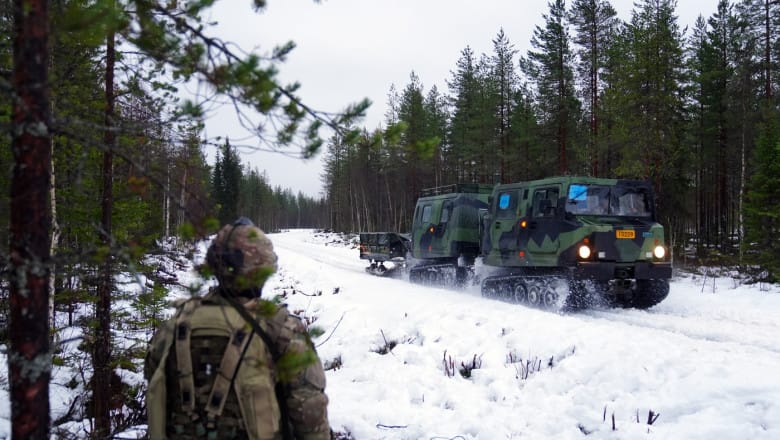
"We know that when there is peace in Ukraine, Russia will still be a threat. It is obvious that they will move their military forces close to our border and the Baltic border," Orpo stated. The logic behind this warning is strictly military: troops and equipment currently tied down in the Ukrainian theater of operations will become available for power projection elsewhere. Finland, which shares a 1,340 km border with Russia, anticipates a rapid militarization of Karelia and the Baltic region as soon as active combat in the south ceases.
This scenario is underpinned by NATO intelligence estimates suggesting that Russia could be ready for a major conventional confrontation with the West within three to five years following the cessation of hostilities in Ukraine. The period of "peace" would likely be used by Moscow exclusively to replenish stocks and retrain troops.
The Financial Burden of "Europe's Shield"
The Finnish Prime Minister is hosting a historic summit in Helsinki on Tuesday, bringing together leaders of the eight countries that form Europe's "protective wall"—states sharing land or maritime borders with Russia and Belarus. The agenda is clear: identifying joint military capabilities (drones, integrated air defense) and improving military mobility across the continent.
However, the fundamental issue remains funding. Frontline states like Estonia, Lithuania, and Poland are now allocating huge percentages of their GDP to defense—some exceeding 5%, far above the target demanded by US President Donald Trump. This military effort comes at a terrible economic cost. These countries' economies are suffering from recession, caused partly by the total severance of trade ties with Russia and high energy costs. "Our economy is in a very bad situation right now. This is due to the threat from Russia," Orpo admitted.
In this context, Helsinki is demanding not just moral solidarity from Brussels, but financial backing. Orpo aims to access €1.5 billion in unused funds, as well as a significant portion of the €130 billion the EU plans to allocate to defense in the next budget cycle. The message is simple: The Eastern Flank defends Berlin, Paris, and Brussels, so the bill must be shared.
A Decisive Week for the EU and Ukraine
The Finnish warning comes during a critical week. On Thursday, EU leaders will gather for a summit that could decide Ukraine's financial fate. There is a real risk that Kyiv could default if vital funds remain blocked. Discussions focus on utilizing frozen Russian assets (most held in Belgium by Euroclear) to fund Ukraine, a measure towards which Belgium has shown resistance.
Prime Minister Orpo expressed hope that the German Chancellor, Friedrich Merz, will succeed in mediating a swift solution. "I don't want to think about what would happen without a deal. We have no other options," the Finnish premier concluded, emphasizing that the gradual US withdrawal from the European security equation forces the continent to mature militarily overnight. Finland, with its ready bunkers and intact strategic reserves, is prepared, but the question remains: is the rest of Europe ready to pay the price for its security?