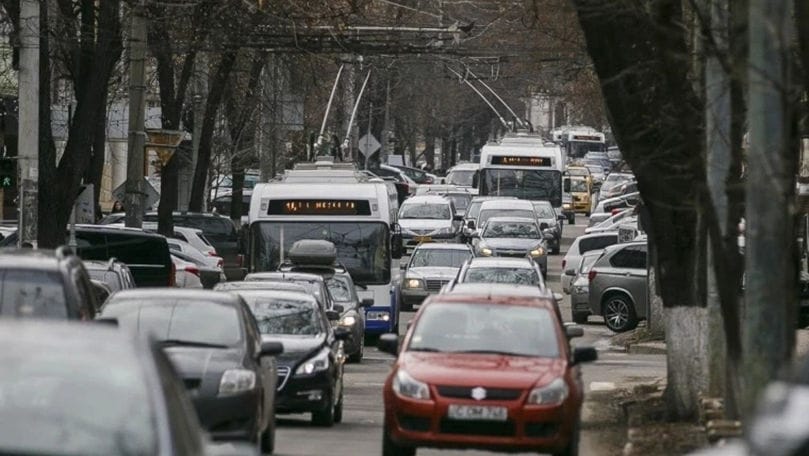
Parking Crisis in Moldovan Cities: Drivers Say They Are Ready to Pay
The shortage of parking spaces remains a serious challenge both in Chișinău and in cities across the regions, with Soroca facing similar difficulties. Congestion and the lack of organized parking make daily travel increasingly complicated for local residents.
“Traffic jams are the most annoying, especially on Sundays. If you come by car, there’s nowhere to park. A parking lot would be very welcome — it’s crowded all day,” one resident said.
Interestingly, most drivers say they would accept paid parking.
“A fee of 20–40 lei wouldn’t be a problem for anyone,” another resident noted.
Soroca: abandoned areas turned into parking spaces
Soroca’s deputy mayor, Veaceslav Ursu, said the authorities have already started repurposing degraded land into functioning parking zones. The next step is to establish their legal status.
“We transformed unused spaces into parking lots. Now we must finalize the legal framework so these places can operate officially,” Ursu explained.
Chișinău: an even more severe crisis
In the capital, the situation is far more serious. Drivers say they are willing to pay if it means avoiding the daily stress of searching for a free spot.
“In the city center, finding a parking space is like winning the lottery,” one driver said.
Others believe the solution should be more complex: parking lots on the outskirts combined with more efficient public transport.
“Anyway, the fine for illegal parking is higher than the parking fee,” another driver pointed out.
Some residents argue that a national parking regulation would simplify things across all municipalities.
Currently, Chișinău has only about 11,000 authorized parking spaces, most of them private. In the central areas, drivers say higher fees could be justified.
“Paid parking facilities are a good option. I’ve paid 50 lei per hour for a spot in the center, but if you need to park there, it’s a reasonable price,” said a motorist.
Legislative proposals and criticism
The “Alternativa” political bloc has proposed a law to regulate parking operations and fee collection. However, urban development expert Victor Chironda argues the project is merely a political smokescreen. He notes that the current legal framework already allows local authorities to implement paid parking systems and that in 2021, Chișinău City Hall funded a 500,000-lei study on parking management.
Specialist Ilie Bricicaru agrees, saying no separate law is needed — adjustments can be made within existing road safety legislation, with fees set at national or local level.
The numbers behind the crisis
-
Chișinău: over 400,000 vehicles, but only 52,000 parking spaces.
-
Nationwide: over 1.3 million registered vehicles, including 860,000 cars.
Experts warn that without coherent policies and coordinated implementation, the parking crisis will worsen, particularly in rapidly growing cities.