“The ‘Laughing Drone’: How Russian Propaganda Used Humor to Hijack Moldova’s Public Agenda”
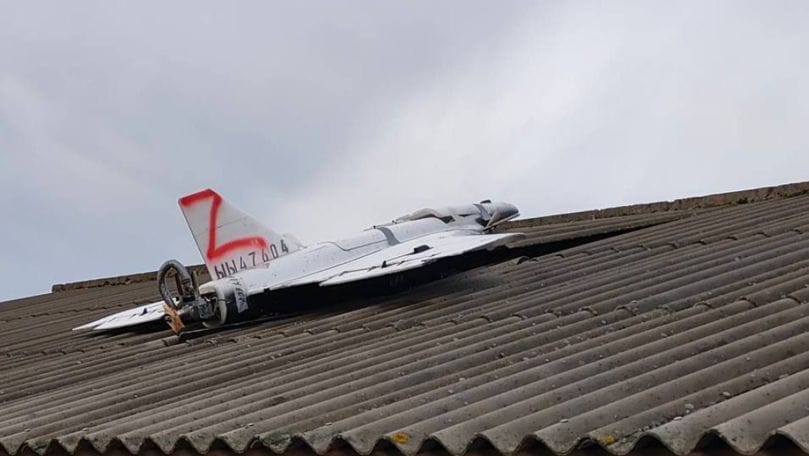
The incident of 25 November 2025 — when six Russian drones launched toward Ukraine’s Odesa region violated Moldova’s airspace — became one of the clearest examples of modern information warfare targeting the country. One of the drones, a lightweight Gerbera reconnaissance model weighing under 10 kilograms, crashed onto the roof of a house in the village of Cuhureștii de Jos, in the Florești district. Although the event was real and documented by Moldovan authorities, pro-Russian networks immediately turned it into a large-scale disinformation operation built on sarcasm, mockery, and viral memes.
According to a detailed analysis carried out by WatchDog.MD, the speed and volume of propaganda in this case significantly exceeded similar incidents reported in previous years. Within just a few days, pro-Russian Telegram channels produced more than 500 posts, which were collectively viewed nearly 770,000 times and shared approximately 7,000 times.
The core message: the drone wasn’t real.
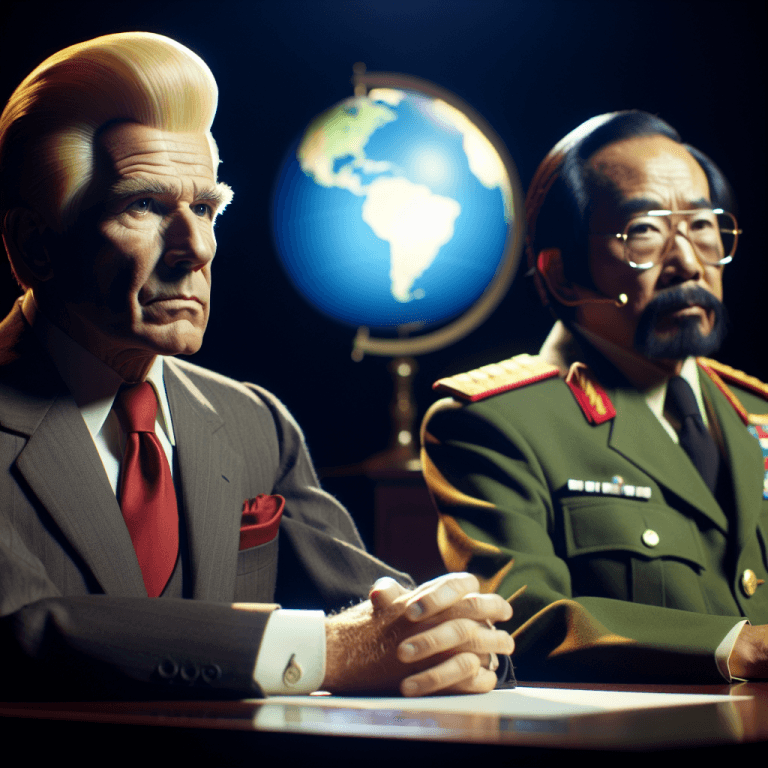
The fall was staged, orchestrated by Moldova’s government, or arranged by Kyiv to “justify militarisation,” “create panic,” or “drag Moldova into someone else’s war.” Humor became the primary weapon: memes, short parody videos, image manipulations, and even deepfakes portraying President Maia Sandu “placing” the drone onto the roof circulated widely.
One TikTok channel alone posted 10 videos related to the incident, accumulating more than 1.1 million views. The most viral false claim insisted the drone was a 200-kg Shahed-136, even though evidence quickly showed it was in fact a small Gerbera model used by Russia for reconnaissance.
Political amplification played a decisive role.
Several pro-Russian politicians in Chișinău picked up the narratives spun on Telegram and echoed them on Facebook, TikTok and televised interviews, giving the falsehoods wider domestic reach. The Russian ambassador to Moldova, Oleg Ozerov, also publicly adopted a mocking tone — a notable shift from Russia’s more cautious diplomatic style seen in similar cases in 2024.
Meanwhile, the Moldovan authorities responded with technical information, photographs, and procedural details. Although relatively timely, their communication lacked the emotional impact and aggressive distribution that made the propaganda so successful online. A short official statement cannot compete with a flood of humorous, provocative, and easy-to-share content.
WatchDog.MD’s analysis highlights three essential challenges Moldova faces:
-
The need for rapid official communication.
In a digital information war, silence is a battlefield defeat. Every minute without clarification gives propaganda room to dominate narratives. -
A coherent counter-narrative, not only technical data.
Citizens require context: why the incident matters, what the risks are, and what Russia’s intentions might be. Facts alone cannot counter emotional manipulation. -
Coordinated institutional response.
A single ministry cannot push back against a cross-platform disinformation machine. Efforts from multiple governmental and pro-European actors must be synchronised and adapted for diverse audiences.
The drone incident in Cuhureștii de Jos is not just a technical or military event — it is a warning. It shows how modern hybrid warfare relies on memes, humor, irony, and psychological manipulation to erode trust in institutions, minimise perceived threats, and fracture social cohesion.
In a world where the front line increasingly runs through social media feeds rather than geographic borders, Moldova’s ability to defend itself must include not only airspace security but also information resilience. The battle for public opinion — fought through jokes, edits, and viral misinformation — has become as critical as the physical defense of the country.