“2025 Sets a New Record: Moldova Celebrates Its Best Year for Tourism”
Moldova’s tourism industry is experiencing the most successful year in its modern history. According to data presented by IDIS “Viitorul” economic expert Veaceslav Ioniță, the third quarter of 2025 recorded 252,000 serviced tourists — the highest quarterly figure ever achieved by Moldovan travel agencies. Since January, a total of 583,000 visitors have been registered, confirming a historic surge in both domestic and international tourism.
Ioniță explains that this dramatic rise is driven by growing foreign interest in Moldova as a travel destination, combined with an unprecedented number of Moldovans choosing to vacation within the country. For decades, organized domestic tourism barely exceeded 50,000 participants per year. But in 2025, this segment expanded rapidly, reaching 187,000 travelers, of whom 82,000 were foreigners and 105,000 Moldovan residents. By the end of the year, the number of Moldovans opting for organized travel is expected to surpass 200,000 — a milestone that reshapes the national tourism landscape.
Romania remains the top source of tourists, accounting for 56% of all registered visitors. Italy follows with 14%, while Ukraine, Germany, and the United States occupy the next positions. This distribution highlights how Moldova has increasingly become an attractive spot for a diverse international audience. The steady growth in visits from Western European countries, as well as the United States, suggests that Moldova’s image abroad is improving significantly.
Accommodation demand has surged alongside the rise in tourist arrivals. Last year, 474,000 people stayed in Moldovan hotels and guesthouses. But in the first three quarters of 2025 alone, nearly 400,000 guests have already been accommodated — including 290,000 foreigners. Approximately 30% of all tourists chose organized travel packages, demonstrating greater trust in the services provided by local tour operators and enhanced quality within the hospitality sector.
Despite this impressive progress, Ioniță stresses that Moldova’s tourism potential remains far from fully realized. He believes that at least 10% of Moldovan citizens could be engaged in domestic organized tourism — a shift that would strengthen the sector and transform it into a major contributor to the national economy. With targeted investment in infrastructure, improved road networks, the development of thematic cultural and ecological routes, and stronger promotion of Moldova abroad, the country could rapidly scale its tourism success.
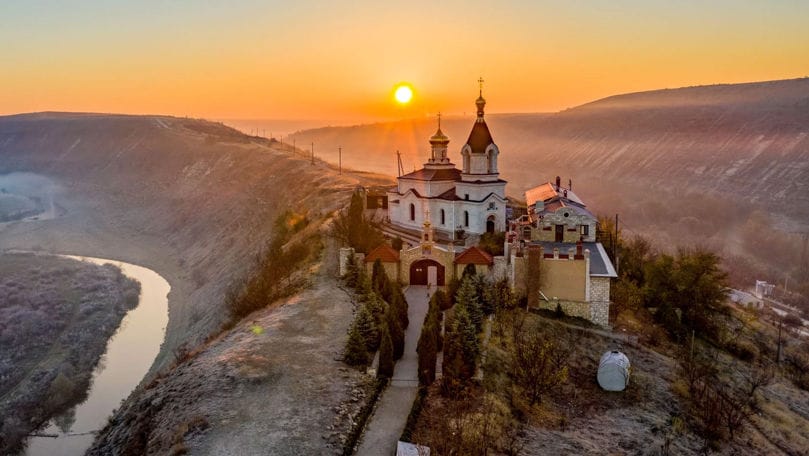
The year’s growth is also attributed to the diversification of Moldova’s tourism products. Wine tourism remains a major attraction, with famous wineries and underground cellars drawing visitors from around the world. Rural guesthouses, eco-villages, and agritourism initiatives offer travelers an authentic and peaceful retreat. Cultural festivals, gastronomy events, monastery tours, medieval fortresses, and natural reserves add to Moldova’s appeal, providing unique experiences that resonate with both locals and foreigners.
Affordable prices, a welcoming atmosphere, and a sense of safety are additional factors boosting Moldova’s tourism boom. International visitors often praise the country’s hospitality, cuisine, and cultural authenticity. Many describe Moldova as a “hidden gem” in Eastern Europe — a destination that offers rich experiences without the overcrowding found in more mainstream tourist locations.
Experts agree that 2025 marks a turning point for Moldovan tourism: a year that showcased the country’s ability to grow, diversify, and compete in the regional travel market. If this upward trend continues, tourism is poised to become one of Moldova’s most dynamic and profitable sectors in the coming years.