U.S. Suspends Afghan Immigration Requests Following Shooting of National Guard Soldiers
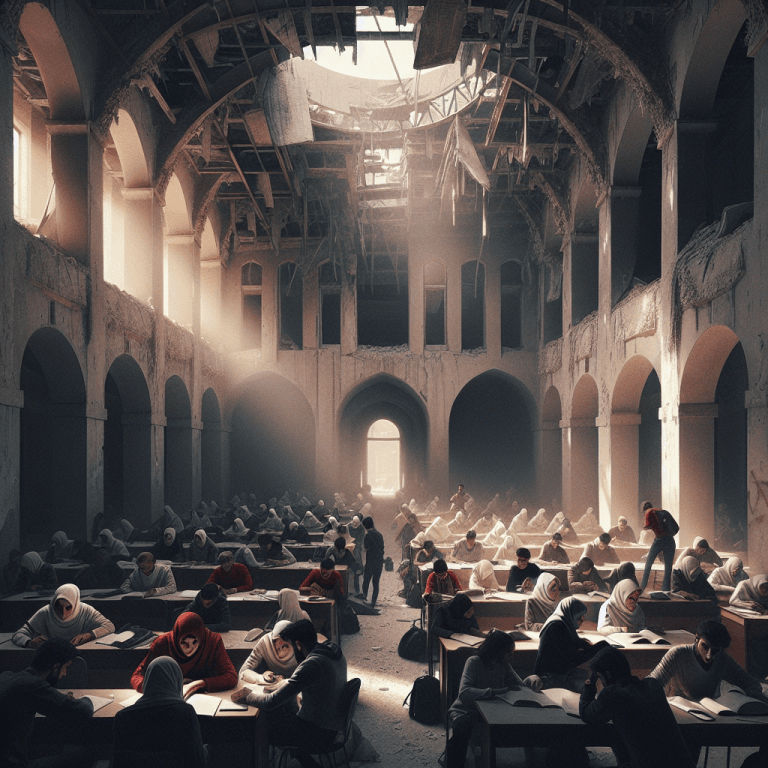
The United States has halted the processing of all immigration requests submitted by Afghan nationals after an Afghan man was identified as the suspect in the shooting of two National Guard soldiers near the White House. The decision, announced by U.S. Citizenship and Immigration Services (USCIS), has already sparked intense political debate and renewed scrutiny of America’s vetting procedures.
According to USCIS, the freeze will remain in place while officials review existing “security and vetting protocols.” The policy is expected to affect thousands of Afghans who entered the U.S. following the chaotic withdrawal from Afghanistan in 2021.
The suspect, identified by the Department of Homeland Security as 29-year-old Rahmanullah Lakamal, reportedly arrived in the U.S. in September 2021 under Operation Allies Welcome — a program designed to resettle Afghans who assisted American forces. Officials told CBS News that Lakamal applied for asylum in 2024, and his application was approved earlier this year.
The shooting occurred Wednesday at approximately 2:15 p.m. near Farragut Square Metro Station, in a busy business district of Washington D.C. Police explained that two National Guard soldiers were on a high-visibility patrol when the suspect “came around the corner and immediately started firing.” Both soldiers were critically injured.
Nearby National Guard members rushed to the scene and restrained the suspect, who was shot four times in the process, according to law enforcement sources.
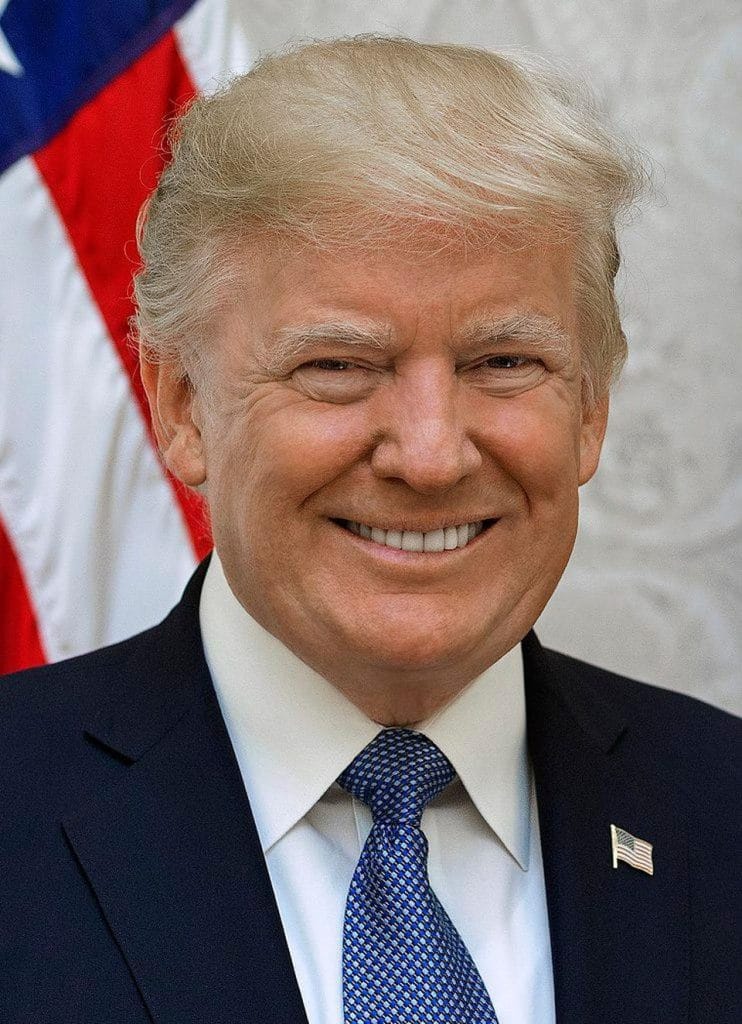
President Donald Trump condemned the assault as “an act of terror,” vowing to remove “every foreign national who does not belong here.” He further stated that the U.S. “must now re-examine every individual who entered from Afghanistan under the Biden administration.”
These remarks fuelled an already heated political debate. Tens of thousands of Afghans live in the U.S. under humanitarian parole or special immigrant protections. Many of them served as translators, contractors, or embassy staff alongside American troops.
Afghan advocacy groups have voiced concern that the suspension will unfairly punish thousands of innocent families. Immigration experts warn that the freeze could delay or indefinitely block relocation efforts for at-risk Afghans still stranded abroad.
Witnesses described the scene of the attack as chaotic. One office worker told BBC he heard “multiple gunshots” followed by screams and people running for cover inside nearby shops. Another individual, who was parked near the metro station, recorded footage showing the two wounded soldiers receiving medical attention on the pavement.
The investigation remains ongoing. Authorities are examining motive, digital records, and the suspect’s immigration background. While no evidence has yet surfaced linking Lakamal to extremist groups, federal officials are treating the case with heightened scrutiny.
The sweeping suspension of Afghan immigration requests marks a major shift in U.S. policy and has caused deep uncertainty among Afghan families who believed they had found safety after fleeing Taliban rule. For many, the decision feels like a devastating reversal of the promises made during America’s withdrawal.