Larry Summers steps down from OpenAI board after Epstein emails surface — a reputational earthquake for AI governance
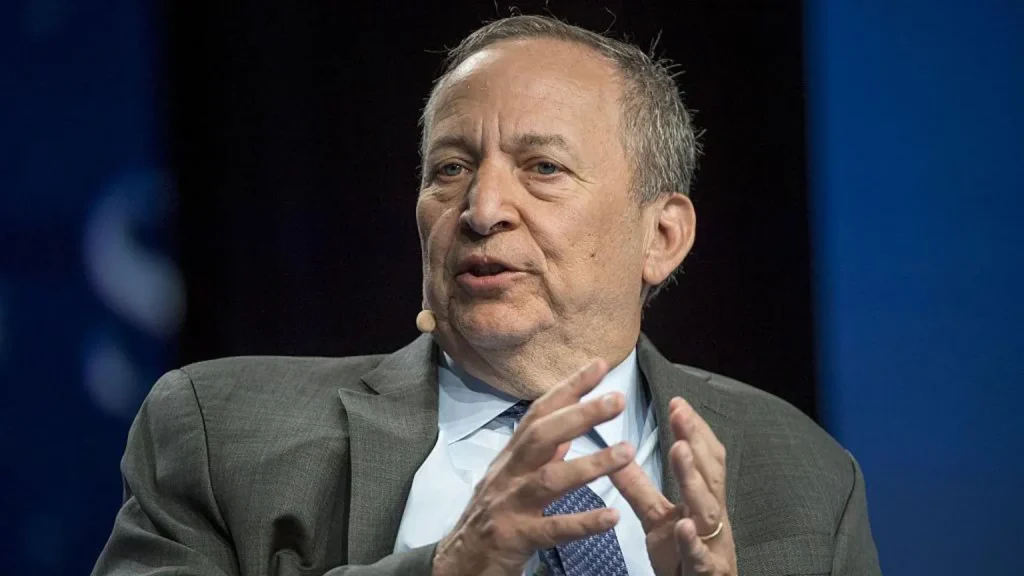
A major tremor hit the tech world this week as Larry Summers, former US Treasury secretary and past Harvard president, resigned from OpenAI’s board following the release of extensive correspondence with the late financier and convicted sex offender Jeffrey Epstein.
Summers’ departure raises new questions about leadership ethics in the rapidly expanding AI sector — an industry already under unprecedented scrutiny.
What the newly released emails reveal
The House Oversight Committee’s documents show:
-
Summers communicated with Epstein up until the day before Epstein’s 2019 arrest
-
the two met frequently for dinners
-
Epstein attempted to connect Summers with high-profile global figures
-
no illegal activity is alleged, but the relationship appears unusually close
Following the release, Summers acknowledged “a misguided decision to continue communicating” with Epstein and said he intends to “rebuild trust.”
OpenAI responds: controlled, but clearly shaken
In a measured statement, OpenAI said:
“We respect his decision to step down and appreciate the perspective he brought.”
Summers joined the board in 2023 during a volatile period — immediately after the attempted ouster of CEO Sam Altman. His role was to provide political, economic and regulatory insight as OpenAI expanded globally.
His resignation raises concerns about:
-
governance stability
-
reputational risk
-
high-level judgement inside companies building world-shaping technologies
Congress forces release of Epstein files
Both chambers of Congress approved a bill requiring the US Department of Justice to release its Epstein files. President Trump announced he will sign it, reversing his earlier stance after pressure from supporters.
The released emails named a range of prominent individuals connected to Epstein — though none accused of wrongdoing — further intensifying political and media attention.
Immediate fallout for Summers
Within hours:
-
the Center for American Progress confirmed Summers is no longer affiliated
-
Harvard stated he will continue teaching but did not address the controversy
-
political allies distanced themselves
Summers announced he will step back from most public roles, though he remains active academically.
A volatile moment for AI governance
The scandal lands at a strategic point:
-
the US and EU are negotiating new AI regulations
-
China is accelerating its AI military and commercial capabilities
-
OpenAI is pushing global partnerships amid internal and external scrutiny
Summers’ exit comes as a blow to OpenAI’s efforts to position itself as a responsible global leader.
Why this matters
AI companies are under increasing pressure to demonstrate:
-
transparency
-
ethical governance
-
trustworthy leadership
-
independence from compromised networks
Summers’ association with Epstein — even absent allegations of wrongdoing — threatens to undermine public trust not only in OpenAI, but in the broader AI ecosystem.
This is more than a resignation.
It’s a warning signal about how fragile trust is in the age of artificial intelligence — and how quickly the reputations shaping this technology can collapse.