EU moves toward a “Military Schengen”. What it means for citizens and Europe’s defense capabilities
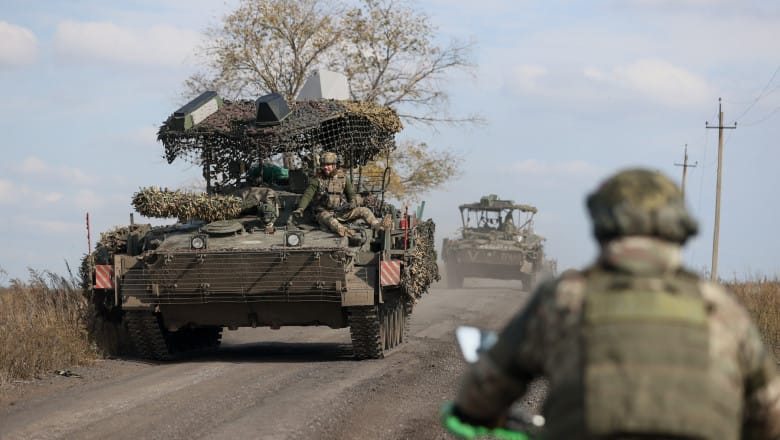
The European Union is taking one of the most significant steps in its modern defense history: the creation of a “Military Schengen”, a system designed to allow troops and heavy equipment to move across Europe as seamlessly as civilians travel within the Schengen Area.
The initiative comes as Russia’s war against Ukraine reshapes Europe’s security priorities.
Unified rules and a three-day approval deadline
For the first time, the European Commission is introducing EU-wide rules for military mobility. Procedures that once required days or weeks will now be capped at three days. Customs formalities will be simplified to prevent military convoys from getting stuck at borders.
The goal is ambitious: by 2027, military movement within Europe should be as fast as civilian travel.
EMERS – Europe’s rapid response system
A pivotal element of the package is the Emergency Military Mobility System (EMERS), designed to ensure immediate reaction when the EU or NATO faces a major threat.
Through EMERS, troops will receive priority access to critical infrastructure—roads, bridges, railways—and administrative bottlenecks will be removed.
Modernizing Europe’s infrastructure for war-readiness
To ensure mobility, EU infrastructure must adapt to the weight and size of modern military equipment:
-
bridges reinforced to withstand tanks,
-
rail lines adjusted for heavy transport,
-
cyber and energy protection strengthened around strategic routes.
This represents not just a military upgrade, but also a long-term improvement of Europe’s civil infrastructure.
Digital coordination across the continent
A new EU-wide digital platform will track:
-
available routes,
-
infrastructure conditions,
-
logistical capacities.
Each member state will appoint a national military mobility coordinator, while Brussels will host a specialized task force.
Transforming Europe’s defense industry
In parallel, the EU unveiled a roadmap for transforming its defense industrial base. The lessons from Ukraine are clear: warfare evolves rapidly—drones, AI, quantum systems, space technologies.
The EU intends to:
-
boost investment in defense innovation and startups,
-
accelerate weapons production,
-
strengthen the workforce,
-
reduce technological dependency on non-EU actors.
This roadmap is a cornerstone of the EU’s 2030 Defense Strategy.
What a Military Schengen means for citizens
For everyday Europeans, the initiative translates to:
-
increased security,
-
upgraded roads, bridges, and railways,
-
more jobs through defense-industrial investments,
-
improved cyber protection for critical public services.
Visible effects will be minimal, aside from occasional military convoy movements.
Europe prepares for a new security era
The Military Schengen and the defense-industrial roadmap form two pillars of the EU’s broader vision for a safer continent.
The message from Brussels is unmistakable: Europe must be capable of defending itself rapidly and independently in an increasingly unstable world.